Blog

What Is a Private Label Activewear Manufacturer?

What Is a Private Label Activewear Manufacturer?

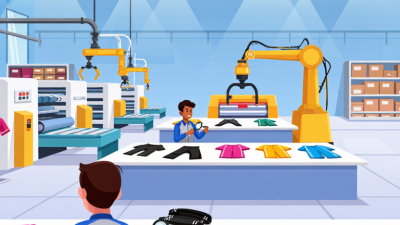
A private label activewear manufacturer helps turn a brand concept into finished performance clothing. The process may begin with a sketch, fabric swatches, or a simple mood board. It continues through pattern development, sampling, fit testing, production, labeling, and delivery. Christine Day, former Lululemon CEO, once described the company as “not a fashion company, but a technical athletic apparel company.” That distinction matters. Activewear must look appealing, yet it must also stretch, recover, breathe, and withstand repeated washing. A dependable private label activewear manufacturer understands both sides. The right partner does more than sew garments. It should explain minimum order quantities, fabric performance, lead times, sample revisions, and quality-control checkpoints. Ask how leggings are tested for opacity. Ask whether seams are checked after stretching. Ask who verifies size measurements before bulk production. Small details can expose large weaknesses. Experience still has limits. Even a respected manufacturer may miss a color difference or underestimate demand. I have seen how one rushed approval can create hundreds of difficult units. That is why clear tech packs, physical samples, written specifications, and realistic timelines matter. This guide explains what a private label activewear manufacturer does, how the production relationship works, and which questions deserve careful attention. It also examines sourcing, customization, quality assurance, and responsible manufacturing practices. The goal is not to promise a perfect supplier. That does not exist. The goal is to help brands choose a capable, transparent, and accountable production partner.
Read more »
Ethan By:Ethan - October 14, 2026
How to Choose a Top China Custom Sportswear Manufacturer?

How to Choose a Top China Custom Sportswear Manufacturer?

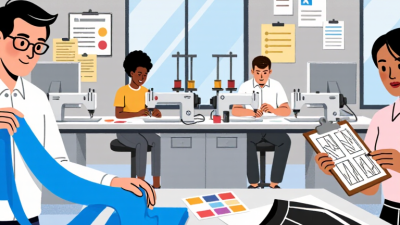
Choosing a reliable custom sportswear manufacturer requires more than comparing prices. It means examining fabric performance, sampling discipline, production capacity, and communication. McKinsey and the World Federation of the Sporting Goods Industry reported that the global sporting goods market could grow by about 5% annually from 2024 to 2029. Grand View Research also valued the global sports apparel market at more than US$200 billion in 2023. These figures show strong demand, but they also reveal a crowded supplier landscape. Many factories can display attractive samples. Fewer can reproduce them consistently at scale. McKinsey senior partner Achim Berg described the sector as “a growth industry.” That growth creates opportunity, but it raises quality expectations. A serious custom sportswear manufacturer should explain its fabric composition, GSM, colorfastness results, MOQ, lead times, and inspection process. Ask for a physical sample, not only polished product photos. Check the stitching around the shoulder, the recovery of the waistband, and the print after washing. No factory is perfect. You should still look for honest limitations. A manufacturer that admits capacity constraints may be safer than one promising everything immediately. Request certifications, production records, and references where possible. Confirm whether testing follows recognized standards, such as ISO or AATCC methods. The best partner protects your brand through traceable materials, realistic schedules, and clear corrective actions. This guide explores how to assess those details before placing a custom sportswear order.
Read more »
Elara By:Elara - October 14, 2026
7 Tips for Choosing Custom Sports Uniforms

7 Tips for Choosing Custom Sports Uniforms

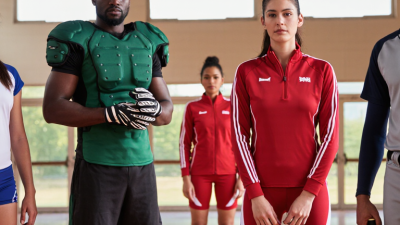
Choosing custom sports uniforms is more than selecting attractive colors and adding a team logo. The right uniform must support movement, comfort, durability, identity, and practical team needs. A volleyball player needs fabric that stays light during repeated jumps. A football player needs reinforced areas that can withstand contact. Small design decisions matter during a long season. Teamwear consultant Kit Jones explains, “A uniform must serve the athlete before it serves the camera.” That principle is easy to overlook. Bright graphics may look impressive online, but poor ventilation can make a jersey uncomfortable within minutes. A reliable selection process considers fabric weight, stitching, sizing accuracy, printing quality, washing instructions, and delivery timing. It also checks whether the supplier can reproduce the same colors for future replacements. Budget matters too. The cheapest quotation may hide limited sizing, weak seams, or expensive revisions. Yet premium pricing does not automatically guarantee better performance. Ask for samples. Test them. This guide presents seven practical tips for choosing custom sports uniforms with greater confidence. It explores fit, fabric, personalization, team branding, supplier communication, and long-term value. Some recommendations may seem obvious, but teams often miss them when deadlines become tight. I have also included details worth questioning, because no uniform works perfectly for every sport, body type, climate, or playing level. A thoughtful choice may not look dramatic at first. It should feel dependable when the match becomes difficult.
Read more »
Ethan By:Ethan - October 14, 2026