0%

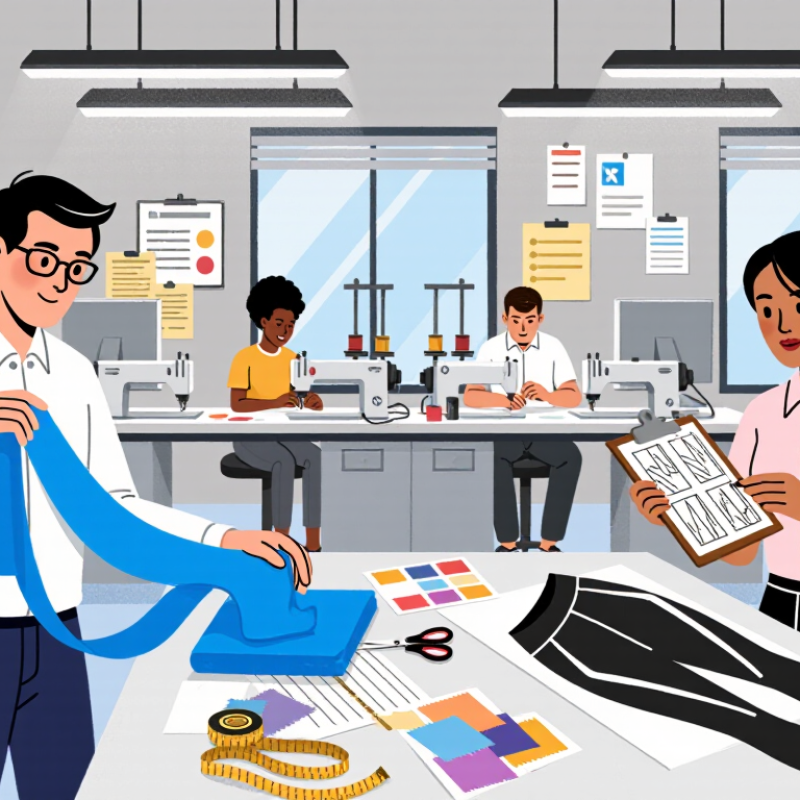
A private label activewear manufacturer helps turn a brand concept into finished performance clothing. The process may begin with a sketch, fabric swatches, or a simple mood board. It continues through pattern development, sampling, fit testing, production, labeling, and delivery.

Christine Day, former Lululemon CEO, once described the company as “not a fashion company, but a technical athletic apparel company.” That distinction matters. Activewear must look appealing, yet it must also stretch, recover, breathe, and withstand repeated washing. A dependable private label activewear manufacturer understands both sides.

The right partner does more than sew garments. It should explain minimum order quantities, fabric performance, lead times, sample revisions, and quality-control checkpoints. Ask how leggings are tested for opacity. Ask whether seams are checked after stretching. Ask who verifies size measurements before bulk production. Small details can expose large weaknesses.

Experience still has limits. Even a respected manufacturer may miss a color difference or underestimate demand. I have seen how one rushed approval can create hundreds of difficult units. That is why clear tech packs, physical samples, written specifications, and realistic timelines matter.

This guide explains what a private label activewear manufacturer does, how the production relationship works, and which questions deserve careful attention. It also examines sourcing, customization, quality assurance, and responsible manufacturing practices. The goal is not to promise a perfect supplier. That does not exist. The goal is to help brands choose a capable, transparent, and accountable production partner.
What Is a Private Label Activewear Manufacturer?

Definition and Role of a Private Label Activewear Manufacturer

A private label activewear manufacturer produces garments for another business under that business’s name. It usually works from a tech pack, sketches, measurements, fabric requests, and packaging instructions. The manufacturer may develop samples, source materials, grade sizes, and manage bulk production. In practical terms, it turns a concept into leggings, sports bras, tops, or outer layers ready for sale. The customer owns the label and market position. The factory supplies specialized production knowledge.

Its role extends beyond sewing. An experienced team checks stretch recovery, opacity, colorfastness, seam strength, and moisture management. It can recommend nylon blends, recycled fibers, elastic widths, and stitch types for different training needs. Sample fittings reveal problems that drawings miss, such as rolling waistbands or restrictive armholes. No first sample is perfect. That is normal, but unresolved comments can become expensive production errors. Reliable manufacturers record revisions and approve a final sample before cutting fabric.

A capable partner also explains minimum order quantities, lead times, inspection points, and realistic costs. It should provide clear updates and traceable quality records. Buyers should ask about factory experience, testing procedures, worker safety, and material documentation. These questions show professionalism, not distrust. Still, communication can fail when specifications remain vague. A polished sample does not guarantee consistent bulk production. Regular inspections and written approvals reduce that risk, although they never remove it completely. Choosing well means evaluating evidence, not promises.

How Private Label Activewear Manufacturing Works

What Is a Private Label Activewear Manufacturer?

How Private Label Activewear Manufacturing Works

A private label activewear manufacturer produces clothing for another business under that business’s label. The process usually begins with a product brief, size chart, fabric preference, and target price. A clear tech pack helps prevent costly misunderstandings. It should show measurements, stitching, trims, care labels, and artwork placement.

The manufacturer then recommends suitable fabrics, such as nylon blends, recycled polyester, or elastane-rich knits. Fabric choice affects stretch, recovery, breathability, opacity, and drying speed. A prototype follows. The first sample is rarely perfect. Fit teams test it on real bodies, checking waistband pressure, pocket position, seam comfort, and movement during squats or running. Revisions may take several rounds.

Before bulk production, responsible teams review colorfastness, pilling, seam strength, shrinkage, and print durability. They also confirm labeling and packaging requirements for the intended market. Production normally includes fabric inspection, cutting, sewing, finishing, and final quality checks. Random measurements can reveal problems early. Still, a checklist is not enough. Human inspection may miss a loose thread or uneven panel. Clear communication, approved samples, and documented tolerances make the workflow more reliable. Mistakes can happen, especially when specifications change late. A careful manufacturer records each change and confirms it before production continues.

Products and Services Offered by These Manufacturers

A private label activewear manufacturer makes garments that another company sells under its own name. Its work usually begins with product development, not bulk production. Designers can share sketches, measurement charts, fabric targets, and sample references. The manufacturer then converts those ideas into tech packs, graded patterns, and wearable prototypes.

The product range may include sports bras, leggings, shorts, joggers, tanks, jackets, and coordinated sets. Fabrics can be selected for stretch, opacity, moisture control, compression, and recovery. Manufacturers may also provide size grading, color matching, logo application, care labels, packaging, and quality inspections. Some arrange fabric sourcing and small trial runs. That matters when a new collection needs testing before a larger order. Fit is checked through movement, not only on a table. Squats, running, and repeated washing can reveal problems that measurements miss.

Reliable suppliers document material composition, production steps, and inspection results. They should explain minimum order quantities, lead times, revision fees, and acceptable tolerances clearly. Certifications may support material or factory claims, but documents still need verification. In practice, communication can be imperfect. A sample may feel supportive but twist during exercise. A color may look accurate indoors and change under daylight. Good manufacturers record these failures, correct the pattern, and send another sample for approval. Buyers should keep written specifications, because assumptions often become expensive mistakes.

Benefits and Challenges for Activewear Brands

What Is a Private Label Activewear Manufacturer?

A private label activewear manufacturer produces garments that another company sells under its own label. The factory may handle fabric sourcing, pattern development, sampling, production, and packaging. This model helps growing activewear brands enter the market without building a complete manufacturing operation.

The main benefit is controlled customization. A brand can request specific fabric weight, pocket placement, waistband height, colors, and size ranges. Experienced manufacturers can also advise on stretch recovery, sweat management, seam strength, and fit testing. Production becomes more efficient when teams use clear measurement charts and approved samples. However, private label production is not automatically cheaper. Minimum order quantities can create excess stock, especially when several colors or sizes are involved. Cash flow may become tight.

Quality control requires active involvement. A sample is only one garment. It does not prove every production batch will match it. Brands should review fabric test reports, inspect stitching, confirm labeling details, and arrange independent inspections when appropriate. Communication can also fail through vague technical files or rushed approvals. A better process includes written specifications, fitting sessions, pre-production samples, and realistic delivery schedules. Some forecasts will be wrong. That is worth admitting early, because flexible planning often prevents larger losses later.

How to Choose the Right Manufacturing Partner

What Is a Private Label Activewear Manufacturer?

A private label activewear manufacturer produces garments for another business under its own label. The right partner should offer more than attractive samples. Grand View Research valued the global activewear market at approximately $412.3 billion in 2023. Its projected growth increases pressure on factories to deliver consistent quality and reliable capacity.

Look beyond the showroom.

Request production records, fabric specifications, testing procedures, and recent customer references. Check whether the factory can manage moisture-wicking knits, four-way stretch, flat seams, and colorfast dyes. A sample may feel excellent but fail after repeated washing. Test it yourself.

124
Textile Exchange reported that global fiber production reached 124 million tonnes in 2023.

This figure highlights why material traceability and waste controls deserve serious attention. Ask where fibers originate, how cutting waste is handled, and which certifications apply to each material.

Cost is important, but the lowest quotation can conceal weak quality control. Compare minimum order quantities, development fees, lead times, payment terms, and defect policies in writing. Confirm how the manufacturer handles size grading and changes after approval.

Communication also matters. Slow replies during sampling may become serious delays during production. I would not treat a polished factory visit as proof of reliability. Independent inspections remain useful.

No partner is perfect. That is the uncomfortable part. Choose the one that documents problems, corrects them quickly, and accepts measurable standards.

FAQS

What does a private label activewear manufacturer do?

It produces garments under another company’s label. Services may include fabric sourcing, pattern making, sampling, production, and packaging.

Which activewear products can these manufacturers produce?

Common products include leggings, sports bras, shorts, joggers, tanks, jackets, and coordinated sets. Product choices depend on fabric, fit, and intended training use.

How does the product development process usually begin?

Buyers provide sketches, measurements, fabric preferences, and packaging details. The manufacturer converts them into technical files, graded patterns, and physical samples.

What should buyers check in activewear samples?

Check stretch recovery, opacity, seam strength, waistband movement, and armhole comfort. Try squats, running, and repeated washing. Fit can surprise you.

Can a sample guarantee consistent bulk production?

No. A sample represents one garment, not every production batch. Fabric differences, stitching changes, or rushed work may affect consistency.

What quality records should a manufacturer provide?

Useful records include material composition, inspection results, testing procedures, and revision notes. Written approvals help prevent misunderstandings. They do not remove every risk.

What challenges can private label production create?

Minimum order quantities may create excess stock across colors and sizes. Lead times can strain cash flow. Some forecasts will be wrong.

How can buyers reduce production problems?

Keep written specifications, approve a final sample, and schedule fitting reviews. Confirm labeling, tolerances, delivery dates, and inspection points before production begins.

Conclusion

A private label activewear manufacturer helps fitness and lifestyle brands develop and produce apparel under their own labels. These manufacturers typically support the full process, from selecting fabrics and refining designs to creating samples, managing production, applying labels, and preparing products for delivery. Their services may include custom leggings, sports bras, tops, shorts, jackets, accessories, fabric sourcing, size development, quality control, and packaging solutions.

Working with a private label partner can reduce the need for in-house production facilities, shorten development time, and give brands greater control over product design and customer positioning. However, challenges may include minimum order quantities, communication gaps, production delays, and maintaining consistent quality. To choose the right manufacturing partner, activewear companies should evaluate experience, materials, customization options, production capacity, quality standards, communication, pricing, and delivery reliability. A strong partnership can support efficient growth while ensuring that products meet both performance expectations and customer needs.

Ethan

Ethan

Ethan is a dedicated marketing professional with a strong understanding of the company’s products, customers, and market opportunities. Through a combination of strategic thinking, industry knowledge, and clear communication, he helps present complex product information in a practical and......