0%

Choosing a reliable custom sportswear manufacturer requires more than comparing prices. It means examining fabric performance, sampling discipline, production capacity, and communication.

McKinsey and the World Federation of the Sporting Goods Industry reported that the global sporting goods market could grow by about 5% annually from 2024 to 2029. Grand View Research also valued the global sports apparel market at more than US$200 billion in 2023. These figures show strong demand, but they also reveal a crowded supplier landscape. Many factories can display attractive samples. Fewer can reproduce them consistently at scale.

McKinsey senior partner Achim Berg described the sector as “a growth industry.” That growth creates opportunity, but it raises quality expectations. A serious custom sportswear manufacturer should explain its fabric composition, GSM, colorfastness results, MOQ, lead times, and inspection process. Ask for a physical sample, not only polished product photos. Check the stitching around the shoulder, the recovery of the waistband, and the print after washing.

No factory is perfect.

You should still look for honest limitations. A manufacturer that admits capacity constraints may be safer than one promising everything immediately. Request certifications, production records, and references where possible. Confirm whether testing follows recognized standards, such as ISO or AATCC methods. The best partner protects your brand through traceable materials, realistic schedules, and clear corrective actions. This guide explores how to assess those details before placing a custom sportswear order.
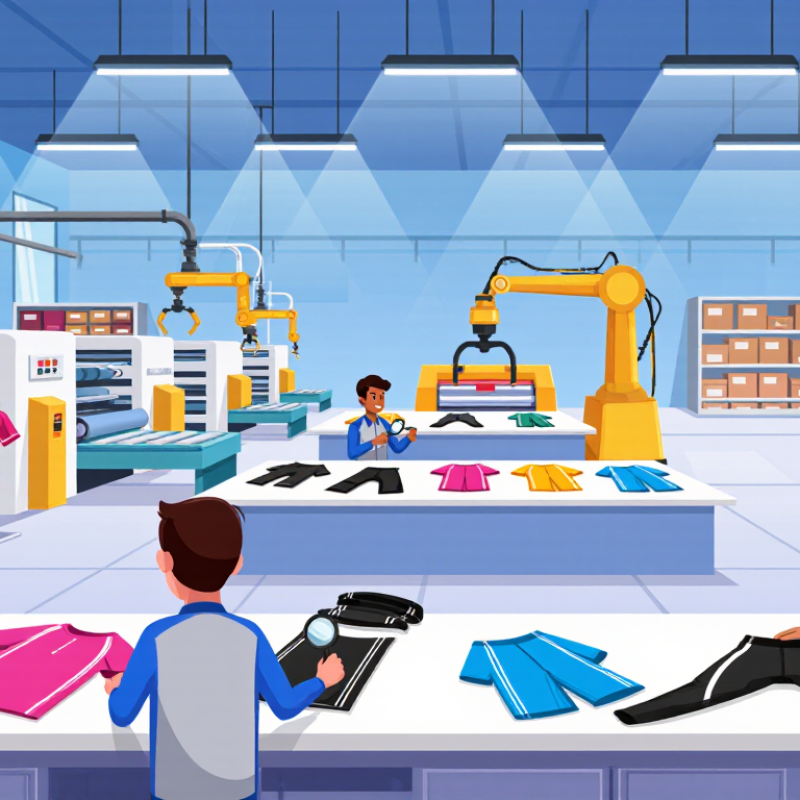
How to Choose a Top China Custom Sportswear Manufacturer?

Define Product Specs: GSM, Fiber Content, Stretch, and UPF 50+ Targets

Choosing a China custom sportswear manufacturer starts with a precise product specification. GSM controls fabric weight, coverage, and drying speed. For lightweight running tops, 120–160 GSM may work well. Training shorts often need 180–240 GSM for better structure. These figures are starting points, not fixed rules.

Fiber content changes comfort and performance. Polyester dries quickly, while nylon usually feels smoother and resists abrasion. Adding elastane can improve movement, but excessive stretch may reduce recovery after repeated washing. Specify the blend by percentage, then test it after laundering. A fabric that feels perfect on day one may lose shape later. Measure twice.

Stretch targets should include direction and recovery. A four-way stretch fabric may suit compression panels, but it can feel unstable in loose silhouettes. Request test results for width stretch, length stretch, and recovery after 30 minutes. UPF 50+ also needs verification under realistic conditions, including moisture and fabric tension. A dense fabric may protect well when dry but perform differently when wet. Ask the manufacturer for laboratory reports, sample testing, and batch consistency records. Small errors matter. The factory should explain tolerances for GSM, color, shrinkage, and stitching before production begins. It is tempting to approve samples quickly, especially under deadline pressure. That decision often creates avoidable corrections later.

Benchmark Factory Capacity Against China’s US$293.6B 2023 Textile Exports

How to Choose a Top China Custom Sportswear Manufacturer?

China’s textile exports reached US$293.6 billion in 2023, showing the sector’s scale and production depth. Yet export strength does not guarantee a suitable sportswear partner. A capable factory must match your order size, fabric requirements, quality standards, and delivery schedule.

Ask for measurable evidence. Check monthly production capacity, cutting-table length, sewing-line numbers, and average output per worker. Review sample-room skills for compression tops, team jerseys, leggings, and bonded seams. Request recent production records, not general promises. Also inspect fabric testing procedures, colorfastness reports, size grading, and final inspection rates. Small details matter.

Look closely.

During factory evaluations, I have found that capacity figures can hide weak planning. A factory may claim 100,000 pieces monthly, but that number may depend on overtime, temporary workers, or simple products. Ask how many complex styles it can produce during your requested season. Confirm fabric booking timelines and backup suppliers. A live video tour can help, but it cannot replace physical inspection or independent testing. I would also compare its export experience with your target market’s labeling and safety requirements. One uncomfortable lesson remains: the cheapest quotation often excludes development time, inspection costs, or realistic shipping buffers. A reliable manufacturer explains these limits clearly and records every agreed specification.

Audit Compliance Through ISO 9001, OEKO-TEX, and AQL 2.5 Records

Choosing a top China custom sportswear manufacturer starts with audit evidence, not polished samples. The ISO Survey 2022 recorded more than 1.2 million ISO 9001 certificates worldwide. Yet certification alone does not prove consistent garment quality. Check the certificate number, factory address, covered processes, expiry date, and certification body. The scope should include cutting, sewing, printing, and final inspection.

OEKO-TEX STANDARD 100 testing covers hundreds of potentially harmful substances. Ask for a current certificate matching the exact fabric, trims, labels, and colorways. A fabric certificate may not cover finished leggings with elastane, coating, or heat-transfer graphics. Request laboratory reports and verify their dates. Small details matter.

AQL 2.5 records reveal how the factory controls production lots. Request inspection plans based on ISO 2859-1, sample sizes, defect classifications, and corrective-action reports. Major defects should be defined clearly, such as broken seams, incorrect measurements, or visible stains. Minor defects still deserve tracking. Look for repeated issues across three or more shipments. One clean report proves little. A factory may pass a final inspection while losing control during peak seasons. I would also compare inline inspection records with final AQL results, because paperwork can be complete but operational discipline can still be uneven. The evidence should connect.

How to Choose a Top China Custom Sportswear Manufacturer: Audit Compliance Through ISO 9001, OEKO-TEX, and AQL 2.5 Records

This chart shows objective AQL 2.5 sampling checkpoints for normal single sampling under General Inspection Level II. A reliable manufacturer should be able to provide traceable ISO 9001 quality records, valid OEKO-TEX textile test documentation, and inspection reports that clearly show sample size, accepted defects, and rejected defects.

Data basis: ANSI/ASQ Z1.4 normal inspection, single-sampling plans, General Inspection Level II, AQL 2.5. Acceptance and rejection numbers vary by lot size and inspection plan.

Test Samples for Shrinkage, Colorfastness, Pilling, Tensile Strength, and UPF

How to Choose a Top China Custom Sportswear Manufacturer?

Choosing a China custom sportswear manufacturer requires more than attractive catalog photos. Ask for test samples before approving bulk production. In my experience, a clean factory and quick replies are useful, but neither proves fabric performance. Request a measured report with the fabric composition, test method, and laboratory date. Recognized methods, such as AATCC or ISO procedures, make comparisons more reliable.

Test shrinkage after repeated washing, not only after one cycle. Measure the shirt before washing, then check the body length, sleeve length, and width. A small change can affect fit. Check colorfastness with wet and dry rubbing. White lining should not pick up strong dye marks. For pilling, use repeated abrasion and inspect high-friction areas, including the waist, underarms, and seat.

Tensile strength testing shows whether seams and fabric can handle movement. Pull panels in different directions, especially around pockets and elastic openings. UPF testing should use the final dyed fabric, not an unfinished swatch. Sweat, stretching, and laundering may reduce protection.

Our first sample looked excellent but pilled near the waistband after several wears. That result changed our inspection checklist. We now test real movement, although our process still has gaps. A manufacturer willing to discuss failed samples usually offers more dependable technical support.

Compare Suppliers by MOQ, Lead Time, Defect Rate, and Landed Cost

How to Choose a Top China Custom Sportswear Manufacturer?

Compare Suppliers by MOQ, Lead Time, Defect Rate, and Landed Cost

A capable sportswear manufacturer should fit your order size, delivery schedule, and quality expectations. Start with MOQ, but do not select the lowest number automatically. A small MOQ may involve higher fabric costs, limited color options, or fewer production efficiencies. Ask whether the quoted MOQ applies per style, color, or size range. Get it in writing.

Lead time should include fabric sourcing, sampling, production, inspection, and shipping preparation. Request a dated production schedule instead of a general promise. A 30-day estimate can become 45 days when fabric approval is delayed. Build a buffer. Real factories explain these risks clearly.

Defect rate needs evidence. Ask for recent inspection records, sample quantities, and the company’s definition of a defect. A reported 1% rate is weak if it comes from only 100 pieces. Review stitching, measurements, color consistency, logo placement, and zipper performance during a pilot order. Some defects appear after washing.

Landed cost gives the clearest comparison. Include the unit price, sampling, packaging, freight, insurance, duties, inspection, and possible rework. The cheapest quotation may become expensive after corrections. I would compare at least three suppliers using the same technical pack and shipping terms. However, this method is not perfect. Freight prices change, and duty estimates can be uncertain. Recheck the numbers before signing a purchase agreement.

FAQS

What audit documents should I request from a custom sportswear manufacturer?

Request current quality certificates and laboratory records. Check the certificate number, factory address, covered processes, expiry date, and issuing body. The scope should cover cutting, sewing, printing, and final inspection. A certificate alone proves little.

How can I verify fabric safety records?

Ask for testing documents matching the exact fabric, trims, labels, and colors. Confirm the report date and laboratory details. A fabric report may not cover finished leggings with elastane or printed graphics. Small details matter.

What should production inspection records include?

Request inspection plans, sample quantities, defect categories, and corrective-action reports. Major defects may include broken seams, incorrect measurements, and visible stains. Minor defects still need tracking. Compare records from at least three shipments.

Why should I compare inline and final inspections?

Inline records show control during production. Final inspections only show the last checkpoint. A factory may pass final inspection during normal periods but struggle during peak seasons. Paperwork can look complete while discipline remains uneven.

Which performance tests should sportswear samples receive?

Test shrinkage, colorfastness, pilling, tensile strength, and sun-protection performance. Use the final dyed fabric for relevant testing. Include the fabric composition, test method, and laboratory date. Test real fabric, not only a small unfinished swatch.

How should I test shrinkage and colorfastness?

Measure body length, sleeve length, and width before washing. Wash the garment repeatedly, then measure it again. Check wet and dry rubbing with white lining. Strong dye marks indicate a problem.

Where should I check pilling and fabric strength?

Inspect the waistband, underarms, seat, pockets, and elastic openings. These areas face repeated friction and stretching. Pull fabric panels in different directions. One sample can look excellent and still pill after several wears.

How should I compare minimum order quantities and delivery times?

Ask whether the minimum order applies per style, color, or size range. Confirm every detail in writing. Require a dated schedule covering materials, sampling, production, inspection, and shipping preparation. Add extra time for approval delays.

How can I compare supplier defect rates and total costs?

Ask for recent inspection records, sample quantities, and defect definitions. Review stitching, measurements, color consistency, print placement, and zipper performance. Calculate unit price, samples, packaging, freight, insurance, duties, inspection, and rework. The cheapest quote may become expensive later. Recheck changing freight and duty estimates.

Conclusion

Choosing a reliable custom sportswear manufacturer requires more than comparing prices. Start by defining clear product specifications, including fabric GSM, fiber composition, stretch performance, and UPF 50+ protection targets. Evaluate whether the factory has sufficient production capacity and experience to support your order, while using China’s US$293.6 billion textile export scale in 2023 as a broad benchmark for industry strength. Request documented quality systems, such as ISO 9001 procedures, OEKO-TEX testing, and AQL 2.5 inspection records, to verify consistent manufacturing and material safety.

Before placing a bulk order, test samples for shrinkage, colorfastness, pilling, tensile strength, and UPF performance. Compare suppliers using practical factors such as minimum order quantity, lead time, historical defect rate, communication efficiency, and total landed cost rather than unit price alone. A structured evaluation helps identify a manufacturer that can deliver durable, compliant, and performance-focused sportswear with reliable quality and predictable production results.


Elara

Elara

Elara is a highly experienced marketing professional dedicated to helping businesses understand products, identify meaningful opportunities, and build lasting relationships with their audiences. With a strong command of the company’s solutions, market trends, and customer needs, Elara transforms......