Engineered for professional athletic clubs, emerging direct-to-consumer sportswear labels, and multinational distributors. Review our core product lines manufactured under verified ISO-standard tolerances.

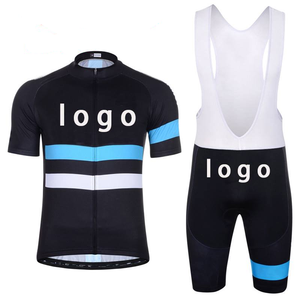
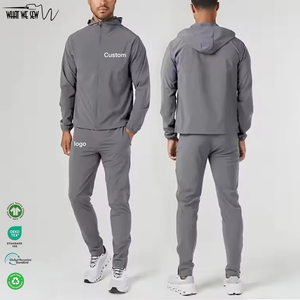
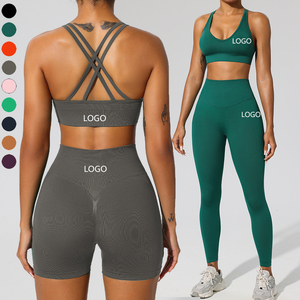
A rigorous examination of fabric mechanics, factory clustering, lead-time stabilization, and supply chain resilience for international sports apparel brands.
In global athletic apparel sourcing, cluster economics dictate competitive viability. Located in the industrial heartland of Punjab, Pakistan, Sialkot maintains a century-long legacy in sports goods fabrication, producing over 70% of professional match-grade soccer equipment and a commanding volume of global team kits. Unlike fragmented apparel networks scattered across disparate manufacturing zones, the Sialkot cluster consolidates spinning mills, functional yarn texturizers, dye houses, digital dye-sublimation print houses, cut-and-sew assembly facilities, and international logistics forwarders within a dense 25-kilometer operational radius.
For B2B procurement managers and international sportswear founders, sourcing directly from an integrated Sialkot manufacturing hub eliminates secondary trading margins while drastically compressing the critical path from concept approval to delivery. By housing computerized fabric spreading, laser cutting, automated sublimation heat transfers, multi-thread overlock assembly, and certified AQL inspection under one unified operational roof, factories like Bralen Industries eliminate transit delays between specialized trade contractors, assuring end-to-end trace control over raw substrate purity and colorfast uniformity.
Direct communication with the technical sample makers, pattern engineers, and line supervisors executing your garments. Eliminate intermediary trading broker markups, miscommunicated technical specs, and unverified subcontractor pass-throughs.
Whether deploying finished Gerber CAD tech packs or requiring full development from mood boards and reference garments, our pattern lab scales precision size gradings from Youth XXS to Adult 5XL with customized retail trims, heat transfer labels, and barcode packaging.
Raw fabric shrinkage and colorfastness lab tests, in-line four-point stitching audits, stitch tension checks (8-10 stitches per inch), and pre-shipment AQL 2.5 final inspections guarantee your production run identically mirrors the signed golden approval sample.
How technical advancements in molecular dye absorption, closed-loop sustainability, and digital supply pipelines are reshaping competitive manufacturing.
Global athletic organizations are abandoning virgin petroleum polyesters. Modern procurement centers on Global Recycled Standard (GRS) certified rPET derived from ocean-bound plastic bottles. Advanced spinning techniques retain micro-filament tensile strength, delivering squat-proof opacity, 4-way elastic memory, and sweat-expelling wicking equal to virgin synthetics.
Traditional vat dyeing consumes up to 100 liters of water per kilogram of fabric. Next-gen teamwear relies upon industrial wide-format disperse-ink sublimation transferring via high-pressure thermal calenders at 210°C. Pigments fuse directly into polymer lattices on a molecular level, preventing fading, cracking, or edge fraying without generating industrial wastewater discharge.
Athletic clubs and multi-sport franchises are shifting away from rigid multi-thousand unit bulk commitments that risk unsold inventory obsolescence. Agile manufacturing infrastructures utilize nesting CAD software, laser cutters, and pre-booked raw white inventory (greige fabric) to run 50-piece roster add-ons and mid-season reorders within 7-10 business days.
Flat screen printing is being replaced by dimensional, sensory branding treatments. Modern custom team kits blend matte silicone badge transfers, high-frequency TPU crests, laser-etched breathable ventilation holes, and abrasion-resistant micro-twill trims that withstand extreme professional rugby, soccer, and athletic match conditions.
Choosing an incorrect embellishment or assembly standard results in premature seam bursts, garment peeling, and costly field replacements. Consult our factory-floor engineering comparison prior to finalizing your collection tech sheets:
| Decoration & Assembly Method | Optimal Athletic Application | Primary Advantage | Key Engineering Constraint | Standard MOQ Baseline |
|---|---|---|---|---|
| All-Over Dye Sublimation | Soccer, Basketball, Esports, Cycling, Rugby | Weightless, zero hand-feel; unlimited Pantone gradients & player numbering | Limited to polyester/synthetic polymer blends (min 80% synthetic content) | Flexible (Low to Moderate) |
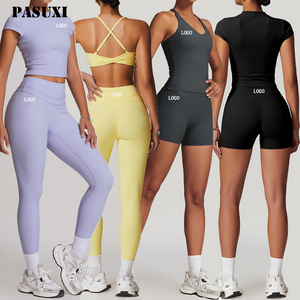
| Engineered Cut & Sew (Solid Fabric) | Gym Leggings, Tracksuits, Fleeces, Travel Polos | Architectural paneling, high-elastane compression, tailored modern fits | Custom dyed pantone fabric requires higher knitting vat mill minimums | Moderate to High per colorway |
| 4-Needle 6-Thread Flatlock Seams | Base Layers, Yoga Tights, Rash Guards | Zero skin-abrasion chafing, extreme elasticity under high lateral tension | Requires specialized high-tension machinery and trained industrial mechanics | Standard across performance lines |
| High-Frequency Molded TPU / Silicone | Professional Club Badges, Hoodies, Outerwear | Unmatched 3D visual depth, non-fading durability, luxury aesthetic | Requires high-precision thermal heat press timing and accurate temperature control | Tooling mold fee applicable |
| Direct-to-Film (DTF) & Stretch Transfers | Multi-sponsor Training Tees, Tracksuit Accents | Ultra-fine resolution vector typography, vivid spot colors on cotton/poly blends | Industrial cure adhesive must balance stretch elasticity to avoid crinkling | Low minimum viable threshold |
A systematic framework for apparel sourcing managers to avoid sample-to-bulk discrepancies, fabric shade variances, and customs clearance holdups.
Never authorize bulk cutting based on raw digital mockups. Always demand a physical pre-production (PP) "Golden Sample" manufactured using exact bulk-run fabric, verified GSM weights, calibrated sublimation profiles, and finished packaging trims. Once approved, the golden sample is sealed and serves as the legally binding yardstick for final AQL 2.5 acceptance audits.
Activewear failures frequently trace to substrate inconsistency. Fabric weight (GSM) must be verified using calibrated circular punch scales in dry and conditioned environments. High-performance leggings demand a minimum of 280-300 GSM with bidirectional modulus recovery exceeding 88% to prevent mid-movement transparency and waistband rollover.
Evaluate total landed cost by matching shipping profiles to season schedules. Pre-season uniform drops ship via cost-effective Sea Freight (22-30 days transit) to destination ports (FOB Karachi or CIF New York/Rotterdam). Emergency seasonal reorders utilize Express Air Courier (DDP 4-7 days directly to club fulfillment centers) with pre-filed customs documentation.
Direct technical answers to the most common queries received from procurement managers, teamwear brand founders, and global sports club apparel buyers.
