
Outerwear Tech
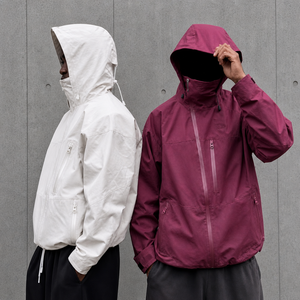
Engineered to meet the stringent mechanical, breathability, and aesthetic demands of European athletic collectives, specialty fitness boutiques, and outdoor adventure brands.
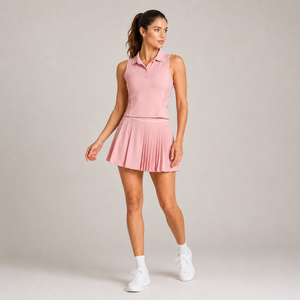
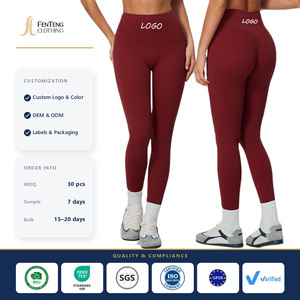
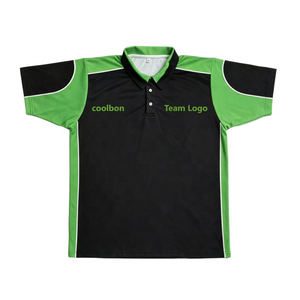

The Italian performance apparel ecosystem represents a globally recognized gold standard for aesthetic cohesion, ergonomic tailoring, and luxury activewear positioning. From the high-performance cycling corridors of Veneto and Lombardy to the technical circular-knitting houses of Biella and Varese, Italian brands demand unmatched tactile drape, skin-contact comfort, and micro-climate temperature management. However, European procurement executives and performance startup founders encounter an acute industrial bottleneck: domestically maintaining scalable, cost-effective manufacturing lines for technical knits inside Italy is increasingly prohibitive for mid-tier runs and emerging collections.
Modern sportswear brands headquartered in Milan, Turin, Bologna, and Florence operate within an agile hybrid paradigm. Conceptual industrial design, pattern engineering, and silhouette curation remain firmly anchored in Italian stylistic traditions. Meanwhile, high-volume production, intricate full-dye sublimation, flatlock seam stabilization, and performance fabric synthesis are executed via factory-direct hubs that maintain direct European compliance, certified quality assurance (AQL 1.5/2.5), and global tariff competencies. This structural white paper details the technical specifications, regional operational use-cases, and production frameworks necessary to produce performance t-shirts and activewear engineered to dominate the competitive European retail arena.
Unlike casual fashion t-shirts based on standard carded or combed open-end cotton, an authentic performance t-shirt relies on engineered polymers and structural knit architecture designed to manage the human thermoregulatory envelope. The technical baseline demanded by European endurance athletes includes three critical physics pillars:
A. Capillary Evaporation & Hydrophilic Transport: Performance polyester and polyamide (Nylon 6.6) filaments engineered with cross-sectional multi-channel configurations (such as cloverleaf or star profiles) induce capillary siphonage. Moisture is drawn off the epidermis within milliseconds, spreading across a widened surface perimeter on the exterior garment face for instant vapor dispersion.
B. Dimensional Stability Under Dynamic Stress: Utilizing four-way stretch interlocks and micro-piqué weaves (incorporating 8% to 18% elastane/spandex), the knit provides graduated compression and zero mechanical resistance across the scapular rotation arc and latissimus dorsi during dynamic cycling or alpine ascents.
C. Surface Friction Mitigation via Ultrasonic & Flatlock Seaming: Traditional overlock seams create abrasive contact ridges that induce chafing over sustained aerobic intervals. High-spec performance manufacturing mandates 4-needle 6-thread ISO 607 flatlock stitching or thermal ultrasonic edge bonding to guarantee a frictionless interface against sensitive skin zones.
To capture sustained market share in Italy, a performance t-shirt or technical garment cannot simply exist as a generic athletic top; it must be calibrated around specific regional microclimates, sporting cultures, and visual codes.
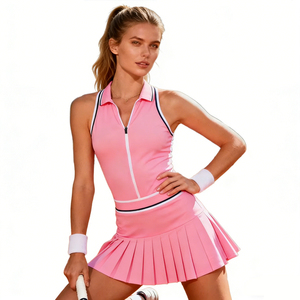
Over the past four years, Rome, Milan, and Naples have witnessed exponential growth in private Padel clubs. Technical polos and lightweight shirts require specialized 130 GSM interlock piqué knits treated with bacteriostatic silver-ion additives. Players require crisp structural collars that do not curl after high-sweat club tournaments and rigorous 60°C sanitization cycles.
In Cortina d'Ampezzo, Bolzano, and Trentino, mountain athletics require extreme climate adaptation. Trail performance tops combine rugged ripstop shoulder zones to prevent trail-pack abrasion with engineered body-mapped mesh across spinal zones. Wind-chill mitigation, high UV protection (UPF 50+), and quick-drying hydrophobic properties are mandatory.
Italian road cycling demands second-skin aerodynamic cuts. Performance t-shirts and baselayers destined for Lake Como or Tuscany sportives integrate micro-perforated front panels with high-spandex back panels. The garment must retain its tactile elasticity in humid 35°C summer climates without sagging, fabric pilling, or seam cleavage.
Within Milan's high-fashion districts (Brera, Navigli, and Porta Nuova), performance apparel functions simultaneously as everyday luxury wear. Garments require matte, non-synthetic tactile finishes, muted neutral Pantone palettes, and invisible zero-friction bonding that seamlessly shifts from high-cadence reformer Pilates to boutique cafe environments.
Procurement teams seeking contracts with Italian retail distributors must align with key progressive shifts driven by consumer awareness, European Union green regulations, and textile technology advances:
1. Recycled Polyamide (Q-NOVA & ECONYL Grade) vs. Standard Virgin Polyester: Italian buyers show strong preference for high-filament Polyamide (Nylon 6/6.6) due to its cooler hand-touch, superior elongation recovery, and resistance to odor retention compared to basic virgin poly. Utilizing GRS-certified (Global Recycled Standard) recycled yarn stocks is a fundamental market gatekeeper for tier-one Italian fashion-active brands.
2. Body-Mapping Laser Perforation & Ultrasonic Bonding: Rather than sewing separate mesh panels under arms, top-tier brands utilize computer-guided continuous laser arrays to cut micro-breathing apertures directly into the substrate. Combined with thermal bonding tapes, the result is ultra-clean minimalism without needle puncture stress lines.
3. Circular Seamless Knitting Technology: Seamless Santoni circular knitting machinery allows the creation of single-tube performance t-shirts and baselayers that incorporate varying knit densities, ribbed lumbar support, and open vent structures directly into the raw garment body without lateral side seams.
4. Strict Chemical Neutrality (OEKO-TEX Standard 100 & REACH Compliance): The European Chemicals Agency (ECHA) enforces zero-tolerance parameters for hazardous compounds (PFAS forever-chemicals, aromatic amines in azo dyes, and phthalates in plastisol screen inks). Technical t-shirts manufactured for Italian distribution must guarantee water-based eco-pigmentation and certified non-toxic contact testing.
Use our engineering reference matrix to identify the optimal construction, yarn structure, and finishing processes for your target performance tier:
| Classification | Yarn Composition | Fabric Weight | Key Functionality | Primary Italian Application |
|---|---|---|---|---|
| Aero-Pro Racing T-Shirt | 88% Micro-Polyester, 12% Spandex Interlock | 125 - 135 GSM | Ultra-light capillary wicking, UPF 40+, anti-chafe flatlock seams | Marathon running, Gran Fondo events, competitive rowing |
| Elite Club Padel Polo | 92% Technical Polyamide, 8% Elastane Piqué | 155 - 165 GSM | Bacteriostatic silver finish, anti-curl rib collar, four-way elasticity | Padel clubs, tennis federations, country club apparel lines |
| Alpine Enduro Long-Sleeve | 80% Recycled Poly, 20% Spandex with ripstop sleeves | 170 - 185 GSM | Abrasion-resistant outer knit, thermal regulating interior, thumbhole cuffs | Dolomites trail running, mountain biking, fast-packing |
| Luxe Seamless Base Layer | 65% Polyamide 6.6, 28% Poly, 7% Elastane | 140 - 150 GSM | Zero side seams, variable zone compression, cooling skin feel | Milano boutique Pilates, high-intensity gym, winter sports undergarment |
| Eco-Tech Travel Warmup | 95% GOTS Organic Cotton / Poly Hybrid, 5% Spandex | 200 - 220 GSM | Matte peach-fuzz finish, heavy drape, breathable casual structure | Athleisure travel, team podium wear, lifestyle retail drops |
Navigating performance garment manufacturing requires avoiding the trap of fragmented supply chains. While domestic Italian sampling houses provide exquisite proto-patterns, scaling up to thousands of colorways often exposes low capacity, astronomical unit rates, and prolonged fulfillment queues. Bralen Industries bridges this industrial gap by delivering vertically synchronized manufacturing with unmatched cost efficiencies, technical mastery, and European-standard reliability.
From CAD marker optimization and automated laser cutting to digital dye-sublimation, precision stitching, barcoded polybagging, and export freight consolidation, our operations occur under one unified industrial roof. Zero sub-contracting ensures your proprietary tech pack, fabric grade, and grading dimensions remain completely protected.
We respect the velocity of European athletic fashion cycles. Our dedicated rapid-sampling lab translates digital tech packs or physical benchmark garments into precision PP (pre-production) counter-samples within 7 to 14 business days, complete with approved Pantone lab dips and structural stretch analysis.
Every single batch undergoes inline multi-point quality audits. We inspect raw yarn tensile strength, run 50-wash print adhesion trials, conduct hydrostatic pressure tests on technical seams, and perform strict dimensional tolerance audits against your spec sheets before export shipping cartons are sealed.
Empower your brand with retail-ready delivery. We provide custom-molded silicone chest badges, ultrasonic edge heat-seal neck transfers, woven damask brand labels, FSC-certified recycled card hangtags, and Amazon FBA/European fulfillment barcode labeling tailored to your logistics hub.
Straightforward answers addressing regulatory compliance, production schedules, payment structures, and technical parameters for procurement officers and brand founders.
Partner directly with an industrial manufacturing powerhouse trusted by sports brands, race directors, athletic clubs, and activewear importers globally. Request our complete wholesale product catalog, technical fabric swatches, and factory pricing schedules.