
Seamless Tech
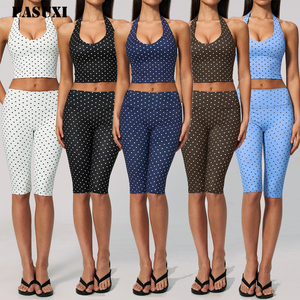
PASUXI Custom Gym High Quality 2 Piece Fitness Yoga Wear Sustainable Workout Set
- Fabric: Polyamide-Elastane 4-Way Micro-Knit
- Evaporation Velocity: < 28 min (ISO 17617)
Direct from certified fabrication lines: Precision-stitched moisture-wicking shirts, seamless technical compression, outdoor shell systems, and aerodynamic cycling jerseys built to international AQL 2.5 standards.
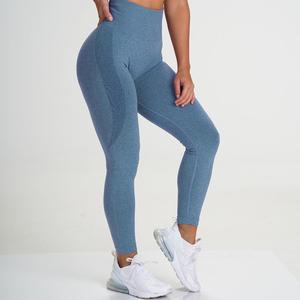
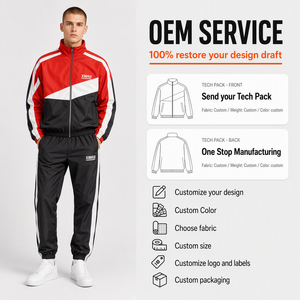
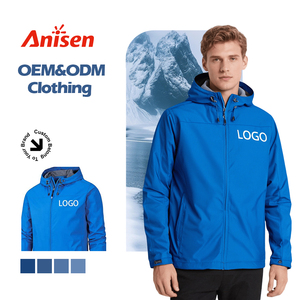
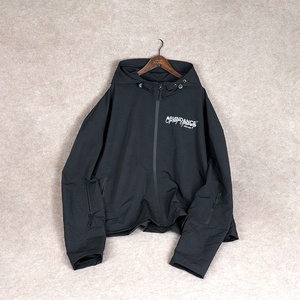
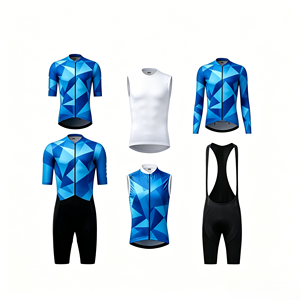
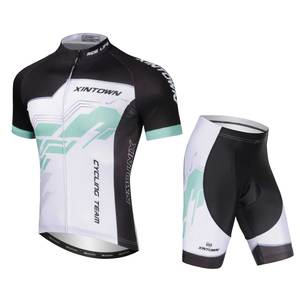
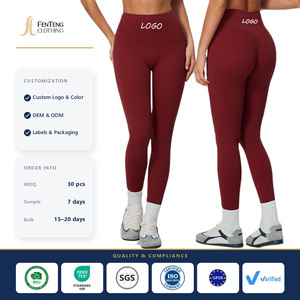
Operating directly at the core of China's advanced textile manufacturing belt, our infrastructure unifies technical yarn extrusion, high-precision circular knitting, computerized micro-dyeing, and lean garment assembly under one fully auditable chain of custody.
By controlling yarn procurement, cross-section filament extrusion (CoolMax, Supplex, Polypropylene), greige knitting, custom dyeing, and automatic laser cutting within a single industrial campus, we eliminate broker markups, shorten critical path lead-times by up to 18 days, and guarantee strict lot-to-lot colorfastness compliance (Grade 4.5+).
Our in-house analytical lab conducts continuous physical and chemical characterization in accordance with AATCC and ISO protocols. Every batch undergoes Hydrostatic Head waterproof testing, Evaporative Resistance (ISO 11092 / Ret < 4.5 m²·Pa/W), Taber abrasion tests, burst strength assessments, and rigorous dimensional stability checks through repeated industrial laundering cycles.
Whether you require full custom cut-and-sew patterns developed from digital 3D CLO tech packs or ready-to-brand private label replenishment models, our CAD pattern masters turn around fit-approved proto samples within 7 business days. We provide flexible tiered minimum order volumes (starting at 100-300 units per colorway for sublimation and performance tees).
We deploy high-speed Japanese Mimaki digital sublimation engines for zero-residue, photo-sharp prints that never clog fabric micropores. Supplemented by ultra-thin high-elastic DTF, heat-transfer silicone badging, reflective 3M accents, ultrasonic seamless bonding, and Japanese Tajima multi-head embroidery stations for club, corporate, and private label programs.
All dyeing and chemical finishing are certified OEKO-TEX Standard 100 Class I (safe for skin contact), while our polyester streams are GRS (Global Recycled Standard) verified post-consumer recycled rPET sourced from certified bottle flakes. Our facility operates with zero toxic discharge (ZDHC Roadmap compliant) and maintains ongoing BSCI / WRAP social audit accreditations.
Dedicated B2B account executives provide complete door-to-door documentation handling, export customs declarations, specialized e-commerce barcode mapping, Amazon FBA palletization, and direct bonded warehouse handovers. We partner with top maritime carriers and international express fleets (FedEx, DHL, air charter) to guarantee reliable delivery worldwide.
Quick-dry technology has progressed beyond topical chemical surfactant dips. True industrial performance relies on engineered capillary hydrodynamics, differential surface tension, and micro-grooved synthetic filament morphology.
Standard circular synthetic fibers trap sweat in macroscopic pockets between yarns, causing uncomfortable clinging. Advanced quick-dry polyesters and nylons utilize proprietary non-round spinneret geometries — such as clover-leaf, 'X', cross, and W-shaped profiles. These longitudinal micro-channels exploit Laplace pressure to pull sweat away from human epidermis along fiber shafts via spontaneous capillary action at rates exceeding 4.2 mm/s.
Our dual-surface engineered knits employ hydrophilic hydrophobic zoning. The inner layer resting against the skin consists of larger hydrophobic filament yarns that resist water absorption, immediately shunting liquid moisture through micro-apertures to an outer layer constructed of ultra-fine hydrophilic microfibers. The high surface-area differential accelerates atmospheric evaporation while keeping the athlete's skin 100% dry and preventing post-workout chill.
Unlike cheap market variants whose wicking agents wash away after 10-15 cycles, our premier shirts integrate silver-ion antimicrobial antimicrobial agents, jade nano-powder cooling particles, and titanium dioxide anti-UV modifiers directly into the molten polymer masterbatch before yarn extrusion. This ensures permanent UPF 50+ blocking and 99% odor neutralization even after 80+ commercial laundry washes.
| Performance Parameter | Standard Ring-Spun Cotton | Generic Chemically-Treated Poly | Engineered Functional Matrix (Our Production) |
|---|---|---|---|
| Moisture Absorption Capacity | 7.5% - 8.5% (Retains wet mass, causes skin chafing) | 0.4% - 0.8% (Repels, poor moisture distribution) | 3.5% - 4.2% (Instant capillary uptake without heaviness) |
| Drying Time (AATCC 79 / 195) | > 110 Minutes (Extremely slow evaporation) | 55 - 75 Minutes (Moderate initial speed) | 18 - 28 Minutes (Ultra-fast convective desorption) |
| Wicking Height (10 min Vertical) | < 35 mm (Saturation point quickly reached) | 60 - 85 mm (Relies heavily on chemical coating) | > 145 mm (Sustained physical cross-section capillary action) |
| Wash Durability Benchmark | Shrinks 4-8%, fades, loses structural recovery | Degrades after 15 washes as silicone finishes wash out | Grade 4.5 Colorfastness; maintains wicking after 70+ washes |
| Bacterial Odor Defense | High bacterial colonization / odor build-up | Rapid build-up of permastink (isovaleric acid) | Silver-Ion Matrix / 99% inhibition of S. aureus (AATCC 100) |
International sports brands, independent label startups, and corporate teamwear distributors must anticipate shifting buyer expectations, regulatory mandates, and next-generation production methodologies.
Global regulatory bodies, notably in the European Union (Ecodesign for Sustainable Products Regulation), are introducing stringent rules demanding garments engineered for end-of-life recycling. The procurement trend is pivoting rapidly toward 100% monomaterial garments — utilizing pure polyester compositions for the face fabric, sewing threads, heat transfers, and neck ribbing. This eliminates complex separation processes during chemical recycling while preserving peak moisture-wicking indices.
While recycled PET (ocean-bound bottles) currently leads sustainable sourcing programs, high-end brands are transitioning procurement budgets into bio-based polyamides derived from industrial castor bean oil, sugarcane-based polyester, and Lyocell/modal micro-blends. These eco-engineered substrates replicate the dry-touch feel and high tensile elasticity of nylon 6,6 while significantly trimming life-cycle cradle-to-gate carbon footprints.
Traditional overlock needle stitches introduce friction points, create aerodynamic drag, and can cause skin irritation during ultra-marathons or heavy gym training. Next-generation production specs prioritize ultrasonic welding, thermo-bonded seam taping, and jacquard-knit body mapping. Through varying stitch densities on single-cylinder Santoni circular looms, ventilation micro-pores are woven seamlessly into critical sweat zones without requiring cut-and-sewn panel inserts.
Direct, transparent technical answers to help purchasing directors, supply chain managers, and apparel brand founders mitigate risk and make informed procurement choices.
Chemical wicking relies on a hydrophilic surfactant pad coating applied during the dyeing stage. While initially functional, this chemical wash-coat consistently deteriorates after 12 to 20 laundering cycles. Physical cross-section wicking (e.g., CoolMax, dry-fit multichannel filaments) uses mechanical groove geometries engineered directly into the extruded synthetic fiber. Because the capillary action is driven by structural physics, the moisture-wicking and quick-drying properties remain fully active throughout the entire lifespan of the garment.
Our MOQ structures are customized to the dyeing and fabrication process. For full-dye digital sublimation shirts and jerseys, our MOQ is as low as 100 units per design across multiple size gradings, since no custom fabric mill vat dyeing is necessary. For custom Pantone-matched reactive piece-dyed fabrics, cut-and-sew tops, or specialized jacquard mesh knits, the standard MOQ is 300 to 500 units per colorway. We also offer dedicated rapid sampling and prototype runs for new brand clients.
Every bulk production run undergoes a documented four-stage quality assurance process: 1) Greige yarn raw inspection and 4-point fabric flaw auditing; 2) Inline inspection checking stitch tension, seam stretch recovery, and neckline collar distortion; 3) Laboratory washing tests evaluating dimensional shrinkage (<3%), pilling resistance (Martindale test Grade 4.0+), and sweat colorfastness; 4) Final pre-packing audit under ISO 2859-1 (AQL 1.5 Major / 4.0 Minor criteria). Inspection reports are provided prior to shipping release.
Digital CAD and 3D CLO tech pack review takes 24 to 48 hours. Physical prototype development (proto-samples, fabric lab dips, trim cards) typically ships within 7 to 10 working days. Upon pre-production (PP) sample sign-off and lab dip confirmation, mass bulk manufacturing takes between 20 to 35 calendar days depending on order size and decoration complexity. Express air freight (3 to 6 days door-to-door) or consolidated sea freight (22 to 35 days) are available based on your target delivery schedule.
Yes. We deliver turnkey private label packaging systems. This includes custom high-density woven neck tags, heat-seal tagless transfer neck labels (for zero friction), FSC-certified recycled paper swing hangtags, bespoke silicone zipper pullers, biodegradable corn-starch D2W polybags with barcoding, and heavy-duty shipping export cartons compliant with Amazon FBA and big-box distribution hub standards.
To get a firm quotation within 24 hours, provide: 1) Garment style or reference tech pack; 2) Fabric specification (e.g., 88% recycled polyester, 12% spandex, 160 GSM, bird's eye mesh); 3) Decoration method (sublimation, silicone print, embroidery) with vector artwork files; 4) Target order quantities broken down by size and colorway; 5) Destination country and preferred Incoterm (FOB, CIF, or DDP).