Engineered using computer-programmed Santoni circular knitting cylinders to deliver zoned graduated compression, second-skin microfibers, and certified squat-proof densities.
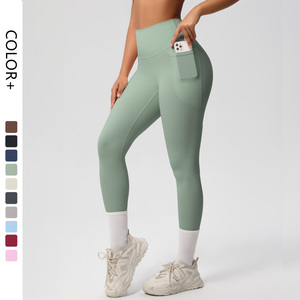
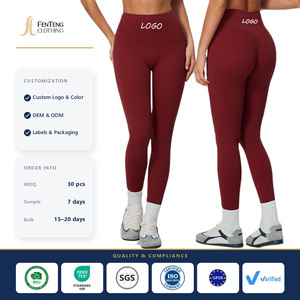
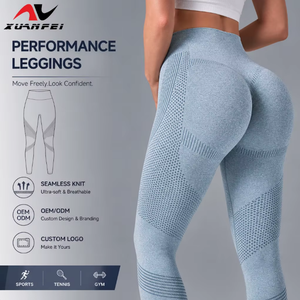
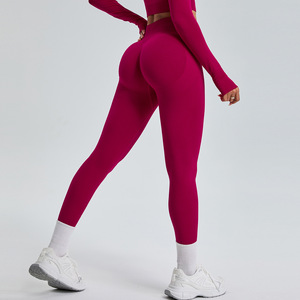
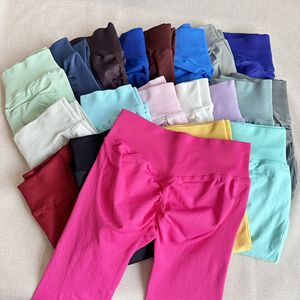
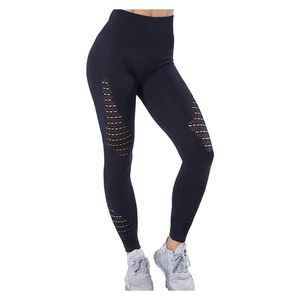
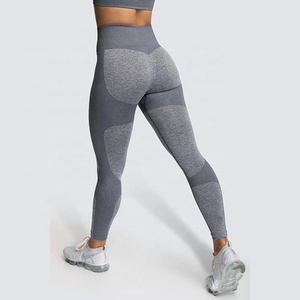
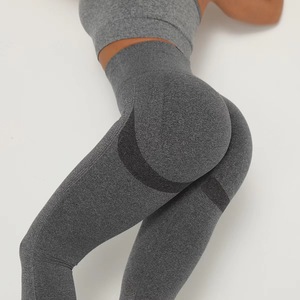
A rigorous comparative analysis of the world's most capable seamless activewear industrial centers, evaluating supply chain integration, technical capability, and export competitiveness.
Internationally celebrated for high-performance athletic apparel and composite teamwear engineering. Leading seamless mills combine imported Italian circular knitting machinery with agile production workflows, offering premier cost-to-quality ratios, lower customs tariffs in European markets, and deep technical prototyping capabilities.
The largest volume epicenter of seamless knitting worldwide, possessing tens of thousands of circular knitting machines. Yiwu excels in hyper-scaled output, immediate yarn availability, and competitive pricing for mass-market retail replenishment, though minimum order quantities are typically higher.
Specializes in high-gauge intimates and luxury naked-feel micro-knit seamless leggings. Shantou mills excel in proprietary yarn extrusion, complex elastane spinning, and intricate jacquard textures designed for luxury lifestyle and high-end boutique fitness brands.
Strategically situated on Europe’s doorstep, Turkish seamless exporters deliver rapid transit times into the EU and UK (3 to 5 days overland). Their factories are known for strict European chemical safety compliance (OEKO-TEX Standard 100) and premium synthetic polyamide sourcing.
The birth ground of seamless machinery giants like Santoni and Lonati. Italian exporters occupy the luxury pinnacle of seamless sports apparel, providing unparalleled technical jacquard design, bio-based polyamide experiments, and exquisite finishing, albeit at premium price tiers.
Widely regarded for ethical manufacturing practices, progressive labor rights, and extensive LEED-certified green manufacturing facilities. Sri Lankan exporters are strategic primary suppliers for tier-1 North American gym wear corporations demanding stringent social audits.
Portugal stands at the vanguard of sustainable seamless apparel within Europe. Specializing in recycled polyamide 6 yarns, OEKO-TEX certified botanical dyeing, and small-batch premium collections, Portuguese mills serve high-growth conscious activewear startups.
Historically focused on circular cotton jerseys, Tirupur has heavily invested in synthetic and blended seamless knitting machinery. With highly competitive domestic labor pools and expansive capacity, Indian mills are rapidly scaling synthetic activewear offerings.
Taiwanese manufacturers are the world leaders in raw material innovation: cooling minerals (jade powder), far-infrared bio-ceramic polymers, and bio-derived micro-fibers. Taiwanese seamless mills partner directly with chemical yarn creators to push performance boundaries.
Vietnam has become a premier global alternative to traditional Asian production, buoyed by the Comprehensive and Progressive Agreement for Trans-Pacific Partnership (CPTPP) and favorable tariff access to North America. Seamless facilities in Binh Duong combine large-scale foreign capital investments, automated computerized finishing, and multi-tier quality control systems designed specifically to satisfy strict Western consumer safety mandates.
Unlike standard cut-and-sew activewear assembled from pre-knitted flat bolts, seamless leggings are knitted as continuous cylindrical tubes with variable density mapping.
The standard benchmark for commercial seamless gym leggings is the Santoni TOP2 Fast and SM8-TOP2V series. These circular knitting machines operate with 8 feeds and cylinder diameters ranging from 12 to 17 inches, featuring gauge settings between 24G, 28G, and 32G (needles per inch). The mechanical needle-by-needle selection system is controlled via proprietary electronic actuators, enabling the simultaneous integration of different knit structures:
This dynamic capability completely eliminates side seams, preventing chaffing during repetitive motion (such as distance running and high-intensity interval training) while ensuring targeted structural support without the bulky rigidity of traditional flatlock or overlock seam allowances.
| Component / Zone | Knitting Structure | Yarn Selection | Functionality & Target Metric |
|---|---|---|---|
| Waistband (Core Support) | Double-knit Tubular Mock Rib with elastodiene core | 70D/68F Polyamide 6.6 + 140D Covered Lycra | High Compression 18–24 mmHg anti-slip hold without drawcord |
| Gluteal Region (Squat Zone) | High-density compact plain jersey with loop-in plating | 40D/34F Micro-Nylon + 40D Spandex Interlace | 100% Squat-Proof Modulus > 12N at 80% multidirectional stretch |
| Sub-Gluteal Under-Crescent | Tuck-stitch textured contouring with elastic gathering | Air-jet textured Polyamide + high-modulus Spandex | Butt Lift & Sculpt Mechanical lifting without external silicone pads |
| Knee & Shin Ventilation | Open eyelet micro-jacquard / pique transfer stitch | 50D Polyamide with cross-shaped hydrophilic channels | Moisture Evacuation Air permeability > 180 mm/s (ISO 9237) |
| Crotch Gusset Integration | Diamond or teardrop flatlock insert (Antimicrobial) | 86% Micro-Poly / 14% Spandex + Silver Ion finish | Anti-Chafing Zero camel-toe risk, 4-needle 6-thread low-profile seam |
Tier-1 athletic brands avoid standard polyester whenever possible in seamless leggings, favoring Polyamide 6.6 (Nylon 6.6). Polyamide 6.6 boasts a more crystalline and compact molecular structure than Polyamide 6, delivering superior abrasion resistance (Martindale test > 50,000 rubs), significantly lower pilling susceptibility (Grade 4.5+), and an exceptionally cool, butter-soft tactile handfeel. When interlacing spandex, professional factories employ double-air-covered yarn (ACY) or single-covered yarn (SCY) to prevent raw elastane from directly contacting the athlete’s skin, completely safeguarding against fiber breakage, grinning, and degradation under body heat and sebum.
Emerging manufacturing technologies, bio-synthetic yarn revolutions, and automated quality auditing reshaping the international B2B sportswear procurement landscape.
European and North American regulatory mandates (such as the EU Corporate Sustainability Due Diligence Directive) are forcing brands to transition away from virgin petroleum polymers. The next half-decade belongs to certified post-industrial recycled Nylon 6.6, bio-based polyamides synthesized from castor bean oil, and bio-degradable spandex polymers that break down without microplastic residues in ocean biomes.
Traditional physical prototype sampling cycles of 3 to 4 iterations are being replaced by 3D CAD visualization software (CLO3D, Browzwear, and Santoni Nautilus CAD). Buyers now approve stitch tension, pressure gradient maps, and yarn colorways virtually. Production files are transferred directly to computerized circular knitting machines, truncating sample approval from 4 weeks down to 72 hours.
The boundary between pure athletic fashion and recovery wellness has vanished. Next-generation seamless gym leggings incorporate true graduated compression profiles verified on MST Professional medical testers: highest pressure at the distal ankle (18–20 mmHg), decreasing systematically up the calf (14–16 mmHg) and thigh (10–12 mmHg) to enhance venous return and reduce delayed onset muscle soreness (DOMS).
Water-intensive piece-dyeing of raw grey-goods tubes is giving way to solution-dyed (dope-dyed) yarns, where masterbatch color pigments are introduced during the molten polymer extrusion phase prior to knitting. This yields exceptional color fastness to wash and perspiration (Grade 5.0) while reducing freshwater consumption and carbon emissions by over 60% across the factory footprint.
Combining the heritage of Sialkot’s premier sportswear industrial ecosystem with computerized European circular knitting machinery, rigorous ISO quality protocols, and flexible private-label customization.
Zero middlemen, zero brokerage agencies. Sourcing managers communicate directly with our in-house textile engineers, pattern technicians, and export specialists, ensuring rapid prototyping, transparent costing structures, and total supply-chain clarity.
Every dye-lot and knit run undergoes rigorous laboratory elongation opacity tests under 1000-lux halogen backlighting. Leggings are certified 100% squat-proof under a minimum 120% biaxial stretch test before cutting, gusset insertion, or packaging.
From custom-engineered jacquard logos knitted directly into the core waistband, to high-stretch reflective silicone heat-transfers, custom woven care labels, anti-theft barcode stickers, and biodegradable frosted ziplock retail polybags.
While massive Chinese mills often demand 2,000+ pieces per colorway, our balanced manufacturing lines accommodate dynamic emerging brands with flexible minimum runs starting from 300 pieces per style/colorway across balanced size distributions (XS to 3XL).
We deploy four distinct inspection stages: incoming raw yarn tensile screening, in-line tube knitting fault detection, post-wash shrinkage verification (AATCC 135), and end-line pre-shipment AQL audits ensuring zero dropped stitches or seam deviations.
Strategically structured shipping channels via air cargo (5–8 business days door-to-door worldwide) or consolidated sea freight (22–30 days to European and North American gateway ports) with comprehensive export documentation and customs clearing support.
Essential commercial, technical, and operational questions answered directly by our factory production engineers and export merchandisers.
Because seamless circular knitting machines require specific yarn creel setups and computerized cylinder recalibration, our standard custom OEM MOQ is typically 300 to 500 pieces per colorway across a complete size breakdown (XS, S, M, L, XL, XXL). For repeat replenishment programs or styles utilizing our in-stock core dyed yarn library (Black, Charcoal, Navy, Espresso), we can support smaller trial runs of 150 pieces per style.
Opacity is governed by machine gauge, stitch tightness, yarn texturizing (DTY vs. FDY), and elastane plating. We engineer squat-proof leggings using minimum 28G/32G knitting cylinders, ensuring the knit weight sits solidly between 260 GSM and 310 GSM. In our testing lab, every fabric lot is subjected to a calibrated biaxial extension grid against contrast test cards to verify complete opacity under intense downward flexion.
Physical proto-samples and lab dips for custom pantone color matching take 7 to 12 working days. Once the golden sample, sizing fit, and branded trims are formally authorized by your technical design team, standard bulk container production requires 3 to 5 weeks, depending on order volume and whether custom jacquard logos or silicone heat-transfer logos are selected.
Yes. In fact, true seamless circular leggings are naturally knitted without a front or rear vertical leg seam. The central tube has no center seam. We then incorporate an ergonomic diamond or teardrop-shaped gusset via high-precision 4-needle 6-thread flatlock stitching at the crotch, completely preventing the uncomfortable camel-toe effect and reinforcing the critical point of tension during deep squats.
We provide multiple high-durability branding methods: 1) Knitted Jacquard Logos integrated directly into the waistband ribbing during circular knitting; 2) High-Elasticity Silicone Heat Transfers (matte, glossy, or high-density 3D); 3) Reflective 3M Safety Heat Seals for outdoor runners; and 4) Custom branded jacquard care labels or internal pad printing that won't crack or peel under 200% fabric extension.
We routinely export under Incoterms 2020: FOB (Free On Board), CIF (Cost, Insurance & Freight), and DDP (Delivered Duty Paid directly to your commercial warehouse). All goods comply with REACH chemical limits, Prop 65 heavy metal restrictions, and OEKO-TEX Standard 100 Class II. Full export paperwork—including commercial invoices, packing lists, and certificates of origin—is prepared for expedited customs clearance.
Partner directly with an established sportswear exporter equipped with modern Italian circular knitting systems, rapid proto sampling, and dedicated B2B technical merchandising.
