Factory-direct OEM and ODM production lines engineered for competitive athletic endurance, precision thermodynamic thermoregulation, and rigorous private label compliance.
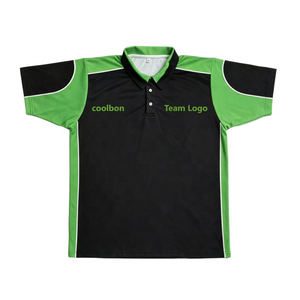
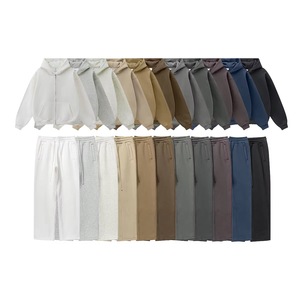
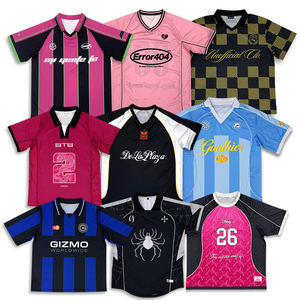

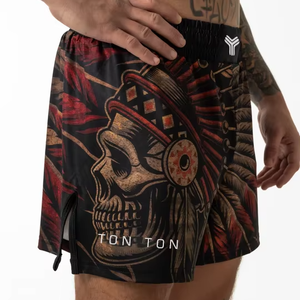
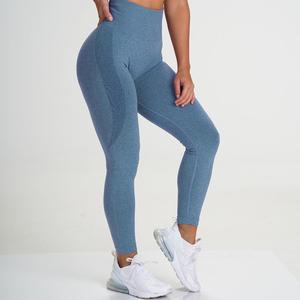
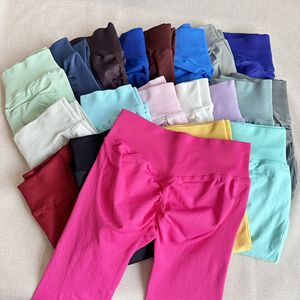
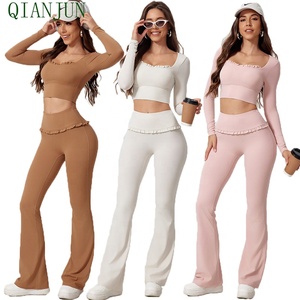
In elite athletic apparel procurement, the nomenclature of "Dri Fit" represents an engineered thermodynamic mechanism governed by the physical principles of capillary force, hydrophilic diffusion gradients, and convective evaporative dynamics. High-end athletic brands cannot rely on generic flat-filament polyester textiles. Standard synthetics are inherently hydrophobic, with low surface energy that causes perspiration to puddle on human skin, inducing rapid athlete overheating or post-workout post-exercise chill.
At our Sialkot manufacturing complex, we construct technical Dri Fit fabrics utilizing synthetic micro-polyester and micro-polyamide yarns extruded through custom multi-lobal spinnerets (such as cruciform, hexachannel, and trilobal cross-sections). Under the classic Lucas-Washburn capillary transport law, fluids are drawn dynamically through microscopic inter-filament voids without requiring hazardous chemical surfactants. By pairing high-filament-count micro-denier yarns (below 1.0 DPF—denier per filament) on the inner fabric face with coarser capillary diffusion fibers on the exterior face, our technical knits establish a one-way liquid transport pressure differential. Liquid perspiration is forcibly drawn away from the skin within 1.2 seconds of epidermal contact, spreading over a 300% wider surface area on the outer layer to facilitate ambient convective evaporation.
Standard textile manufacturing often relies on chemical pad-dry-cure topical treatments to simulate moisture wicking. While cost-effective in low-tier wholesale, topical chemistry suffers severe degradation, losing over 45% of its functionality after merely 15 home laundering cycles (ISO 6330 standard testing). Our dedicated ODM technical fabric division engineers inherent mechanical moisture management directly into the structural polymer core. The cross-sectional channels molded during extrusion remain permanent throughout the entire garment lifecycle, guaranteeing consistent sweat evaporation, zero skin cling, and peak athletic performance across multi-season deployments.
Our centralized vertical integration combines textile innovation, pattern drafting, automated cutting, precision sublimation, and strict multi-tier quality assurance under one audited roof.
Operating single and double-jersey German multi-gauge circular knitting machines capable of interlacing 100D/144F microfibers with Lycra elastane at controlled tension ratios for uniform mechanical stretch.
Equipped with industrial high-speed Kyocera print heads running aqueous water-based Italian dispersion inks. Deep pigment penetration guarantees OEKO-TEX Standard 100 Class I safety without pores blockage.
Automated nesting algorithms minimize structural material scrap by up to 14%. Micro-sealed laser cutting edges prevent fraying on low-GSM stretch fabrics, ensuring exact panel-to-panel seam tolerance.
Executing 4-needle 6-thread ISO 4915 flatlock seam architecture. Engineered using textured bulk-nylon looper threads to deliver zero-chafing, flat-profile ergonomics that withstand 180N tensile forces.
Datacolor 800 spectrophotometers achieve tight color matching under D65, TL84, and CWF light illuminants (Delta E < 0.8), ensuring uniform production dye lots across multi-factory purchase orders.
Multi-phase gate checks encompass raw yardage 4-point inspection, mid-assembly inline tolerances, stitch integrity audits, pull-tests on trims, and full pre-shipment barcode and export packaging verification.
The global sourcing paradigm for athletic wear is experiencing an unprecedented structural transition. Modern brand directors, enterprise procurement executives, and retail sourcing professionals face changing regulatory landscapes, volatile supply channels, and evolving consumer performance expectations. To sustain margin integrity and regulatory clearance across the European Union, North America, and Australasia, procurement strategies must accommodate three transformative market shifts:
Virgin petroleum-derived polyester is rapidly encountering punitive cross-border carbon border adjustment mechanisms (CBAM) and extended producer responsibility (EPR) taxes. Sourcing operations are aggressively migrating toward Global Recycled Standard (GRS) verified post-consumer recycled polyethylene terephthalate (rPET) derived from ocean plastics and bottle flake chips. Furthermore, next-generation procurement mandates chemically recycled closed-loop fibers capable of being regenerated continuously without mechanical property degradation. Our facility partners with global chemical fiber innovators to provide verifiable chain-of-custody documentation, ensuring customs compliance across the USA and EU.
International restrictions on per- and polyfluoroalkyl substances (PFAS) have rendered legacy hydrophobic, water-repellent, and fluorinated chemical treatments commercially obsolete. Modern Dri Fit factories must leverage non-toxic, plant-based bio-derived finishes (such as peppermint oil antimicrobials, bio-surfactants, and micro-encapsulated algae waxes) that maintain anti-odor freshness (ISO 20743) and moisture absorption over 50 washing cycles without ecological bioaccumulation.
The era of unhedged 180-day production cycles from single monolithic origins has ended. Tier-1 apparel brands are embracing agile, distributed manufacturing clusters. Sialkot, Pakistan, has emerged as the premier global epicentre for technical performance sportswear, combining historical craftsmanship with duty advantages, localized knitting facilities, vertical cut-and-sew units, and express logistics connectivity via Sialkot International Airport and marine shipping hubs.
Consult this data matrix when establishing technical tech pack specifications for custom Dri Fit collections.
| Fabric Construction | Weight (GSM) | Composition | Wicking Velocity (AATCC 79) | Bursting Strength (ASTM D3786) | Target Application |
|---|---|---|---|---|---|
| Micro-Interlock Dri Fit | 135 - 150 GSM | 100% Micro Polyester (75D/72F) | < 1.0 sec (Immediate) | ≥ 380 kPa | Marathon Running, Football Teamwear |
| Birdseye Jacquard Mesh | 140 - 160 GSM | 100% Recycled Poly (GRS Certified) | < 0.8 sec (Rapid) | ≥ 340 kPa | Basketball Singlets, Training Vests |
| Cool-Pass Poly-Spandex | 170 - 190 GSM | 88% Polyester, 12% Spandex | < 1.5 sec | ≥ 450 kPa | Tennis Polos, Gym Compression Tops |
| Brushed Base-Layer Tricot | 210 - 240 GSM | 85% Polyester, 15% Elastane | < 2.2 sec (Dual Thermal) | ≥ 520 kPa | Winter Training, Cold-Weather Running |
| Heavyweight High-Stretch Double Knit | 260 - 300 GSM | 75% Nylon 6.6, 25% Spandex | < 1.8 sec | ≥ 680 kPa | Squat-Proof Leggings, Sculpt Bras |
B2B buyers routinely encounter sourcing vulnerabilities when interfacing through domestic trading agencies or intermediary exporters: inflated unit costs, distorted technical communication, unmonitored fabric substitution, and unverified ethical compliance. Bralen Industries operates as an integrated manufacturer, offering direct factory floor transparency:
1. True Direct Manufacturing Margin Integrity: Intermediary markups typically siphon 20% to 35% of an apparel brand's gross margin. By engaging directly with our factory, your tech packs translate straight onto automated spreading tables and programmable sewing lines without margin dilution or informational distortion.
2. Golden Sample Consistency: One common pitfall in offshore procurement is the discrepancy between the high-spec prototype and the compromised bulk run. At Bralen Industries, every bulk order is locked to an authorized physical golden sample. Production managers, line supervisors, and master pattern makers refer to the identical sealed tolerance sheet for tension, stitch density (12–14 stitches per inch), and seam reinforcement.
3. Rigorous Ethical & Environmental Auditing: Our factory operates under stringent fair-wage mandates, zero child-labor standards, fully ventilated production facilities, and an effluent-neutral closed-loop sublimation process. We provide comprehensive factory compliance documentation for seamless import clearance across all Western customs jurisdictions.
Authoritative technical guidance compiled by our senior textile engineers, merchandising directors, and export logistics team.
Connect immediately with our technical merchandising and engineering team in Sialkot, Pakistan. Receive rapid costing, fabric lab dips, and production scheduling tailored to your brand's growth milestones.
Inquire Now