Precision-stitched team uniforms, compression training activewear, and weather-resistant athletic jackets manufactured to rigid commercial specifications.

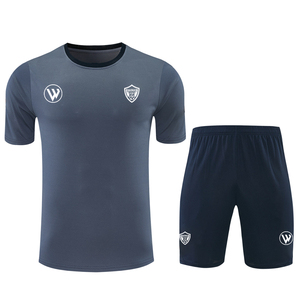
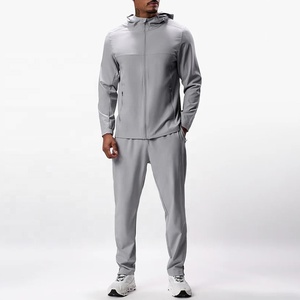
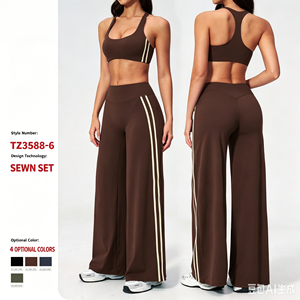
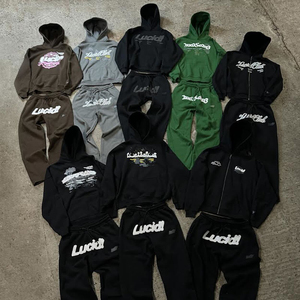
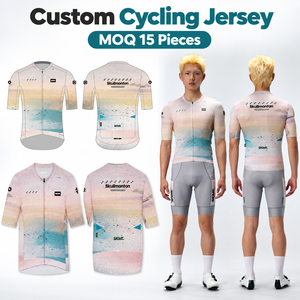
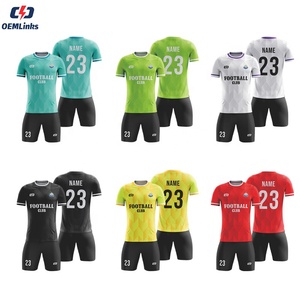
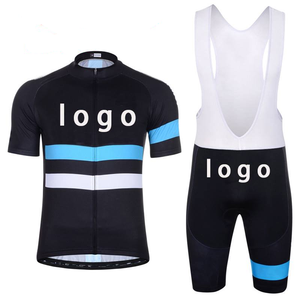
A technical examination of yarn selections, knitting structures, chemical finishes, and stitch engineering.
Performance in athletic training apparel is dictated by capillary pressure differentials within fabric architectures. Rather than relying solely on topical chemical wicking coatings—which deteriorate rapidly after 20 to 25 commercial domestic wash cycles—our manufacturing framework utilizes dual-filament and cross-sectional synthetic yarns such as channeled Coolmax fibers, hollow-core thermoregulating microfibers, and micro-denier polyamides. By knitting hydrophobic yarns against the athlete’s epidermis and hydrophilic capillary yarns on the outer face, perspiration is mechanically forced outward via hydrostatic gradients, dispersing over a broader surface area for evaporative cooling.
Factory Engineering Protocol: Every yard of technical fabric processed at our Sialkot manufacturing plant undergoes stringent testing for Moisture Vapor Transmission Rate (MVTR > 8,000 g/m²/24h) and 4-grade pilling resistance under ASTM D3512 randomized tumble testing.
Athletic training exerts multi-axial dynamic shear stresses on seam closures, particularly around armscyes, crotch gussets, and lateral thoracic panels. To eliminate seam failure, we integrate heavy-gauge flatlock machines (ISO 607 stitch type) with 4-needle 6-thread configurations using textured filament threads. This guarantees maximum stretch elongation (up to 140% recovery without thread breakage) while ensuring a flush profile against the skin to mitigate friction dermatitis during prolonged repetitive aerobic movement.
Custom team uniforms and racing jerseys demand vibrant graphic definition without degrading moisture transmission or garment elasticity. Our sublimation facility operates automated high-speed industrial dye-diffusion printers utilizing water-based, OEKO-TEX Eco-Passport-certified disperse inks. The sublimation process molecularly bonds pigment directly into polyester polymer backbones at 210°C under 4.5 bar hydraulic calendar pressure. The resulting graphics exhibit zero hand-feel, remain impervious to cracking or UV bleaching, and maintain ISO 105-C06 Class 4-5 colorfastness through intensive team laundering regimens.
End-to-end industrial apparel manufacturing leveraging Sialkot’s world-renowned supply chain ecosystem.
Eliminate intermediary trading houses and commission agents. Operating directly inside Pakistan's foremost sportswear industrial cluster, we provide comprehensive vertical control from raw yarn procurement, pattern drafting, and laser cutting to stitching, decoration, and export container packing under one roof.
Whether you supply a digitized CAD tech pack or merely a physical competitor benchmark sample, our pattern-making master artisans draft custom 2D/3D digital patterns, execute size grading (from youth sizes to adult 5XL), and optimize fabric layplans to minimize textile waste.
Quality control is implemented as a continuous inline process rather than a superficial terminal inspection. Every batch undergoes 4-point fabric roll checks, mid-line seam stress audits, dimension tolerance checks against specification master sheets, and final packaging audits.
Critical market dynamics, regulatory compliance shifts, and technical advancements shaping international apparel supply chains.
| Procurement Pillar | Legacy Industry Standard | Future 2025–2030 Paradigm | Factory Strategic Integration |
|---|---|---|---|
| Fiber Circularity | Virgin petroleum-derived virgin polyester and polyamide. | GRS-certified rPET (ocean-bound bottles), bio-based polyamides, and chemically recycled textile-to-textile synthetics. | GRS Certified Direct traceability certificates for all recycled yarn lots. |
| Supply Chain Speed | Traditional 90–120 day lead times with massive MOQ financial commitments. | Agile on-demand manufacturing with dynamic replenishment cycles (25–35 days) and digital 3D prototyping. | Agile Batching Modular flexible production lines accommodating lower MOQ runs. |
| Chemical Compliance | Topical fluorochemical DWR coatings (C8/C6 PFAS chemistry). | Zero-fluorine bio-based DWR, non-toxic water-repellent emulsions, REACH, and OEKO-TEX Standard 100 Class I verification. | PFAS-Free 100% compliant fluorine-free finishing agents implemented on all shells. |
| Logistics Integration | Disjointed FOB terms leaving buyers to navigate freight forwarders and customs barriers. | Transparent DDP door-to-door solutions, pre-barcoded Amazon FBA compliant master cartons, bonded air-courier hubs. | Turnkey DDP Consolidated logistics partnerships covering North America, UK, and EU. |
How state-of-the-art knitting technologies and molecular chemistry are redefining the capabilities of training apparel.
The convergence of clinical kinesiology and textile engineering has catalyzed the meteoric rise of engineered seamless sportswear. Utilizing high-gauge Italian Santoni circular knitting machinery, our technical team creates variable-density compression structures within a single continuous tubular garment blank. By manipulating needle drop counts, we engineer high-modulus compressive zones around major muscle bellies (reducing kinetic muscle oscillation and neuromuscular fatigue during intense plyometrics) while seamlessly transitioning into porous open-mesh jacquard stitch structures in high-perspiration zones such as the lower back, popliteal fossa, and underarms.
Synthetic fibers, specifically virgin polyester, are notorious for hydrophobic oleophilic properties that harbor bacterial colonies (notably Corynebacterium and Micrococcus), causing persistent malodor even after thorough washing. The frontier of sports apparel manufacturing addresses this through embedded silver chloride additives (applied directly during the molten polymer extrusion stage) or natural peppermint-oil-based antimicrobial finishes. This prevents microbial cell division at the molecular level, ensuring training garments remain odor-free through multi-day high-intensity training regimens without leaching harsh chemicals into aquatic ecosystems during laundering.
Next-generation training outerwear integrates microscopic micro-encapsulated Phase-Change Materials (PCMs) or sub-micron graphene nanoplatelets within the polyurethane membrane laminations. Graphene's exceptional thermal conductivity facilitates instantaneous dissipation of localized hotspots across the garment surface, preventing overheating during peak anaerobic intervals while providing ambient infrared thermal retention during cool-down phases.
Direct technical answers addressing minimum orders, sampling lead times, lab dip approvals, and shipping incoterms.
Our MOQ is tailored to the manufacturing method: for custom dye-sublimated sportswear and team kits, our standard MOQ starts at 30 to 50 pieces per design with unlimited color freedom. For cut-and-sew apparel utilizing custom mill-dyed fabrics or specialized pantone-matched knits, the standard MOQ is 100 to 200 pieces per colorway across a balanced size run (XS to 3XL).
Physical counter-samples and fit proto samples typically require 7 to 10 working days following tech pack confirmation and graphic vector approval. Once you review, test, and approve the golden seal sample, bulk production takes approximately 20 to 30 working days depending on total order volume, finishing treatments, and trim complexities.
Yes. We offer complete private label branding including woven damask or heat-sealed silicone neck labels, recycled kraft hang tags with scannable EAN/UPC barcodes, custom branded frosted EVA zip polybags, and pre-labeled master export cartons packed in accordance with international palletizing and Amazon FBA inbound compliance criteria.
While an engineered tech pack accelerates development, it is not mandatory. Through our dedicated ODM development team, you can provide reference physical samples, garment sketches, or high-resolution imagery. We will reverse-engineer the grade rules, formulate the Bill of Materials (BOM), and produce standard sizing charts for your market approval.
We work flexibly across all standard Incoterms including EXW, FOB Karachi, CIF, and door-to-door DDP (Delivered Duty Paid via air or ocean cargo to North America, the UK, Europe, and Australia). Payment arrangements typically follow commercial T/T deposit schedules or irrevocable Letters of Credit (L/C at sight) for high-volume enterprise contracts.
We log every dye lot formula using spectrophotometer data, ensuring zero color variation between seasonal purchase orders. All printed and dyed fabrics must pass rigorous lab dips and crocking/wash testing (AATCC 61 2A standards) to guarantee no shade fading, discoloration, or color migration across multiple production seasons.
Initiate direct communication with our technical apparel merchandising team in Sialkot. Receive immediate material consultations, competitive quotation breakdowns, and rapid sampling support for your brand.
