
Outdoor & Court
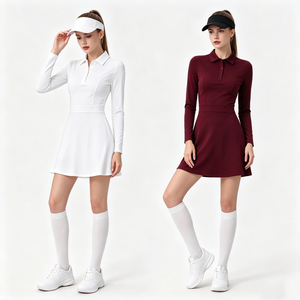
Explore our export-grade functional garments manufactured under stringent AQL 2.5 quality benchmarks. Every configuration is customizable by fiber blend ratio, GSM weight, flatlock reinforcement, and zonal ventilation.
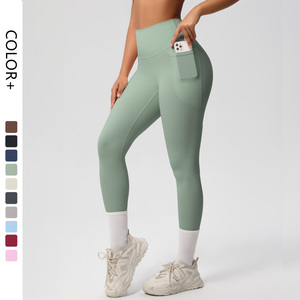
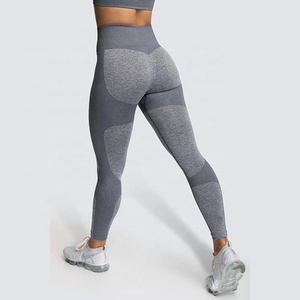
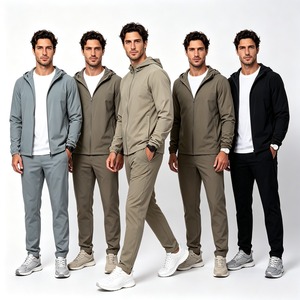
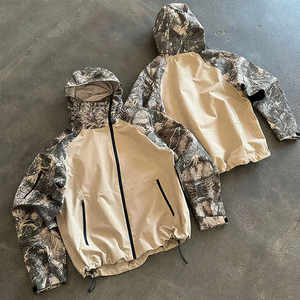
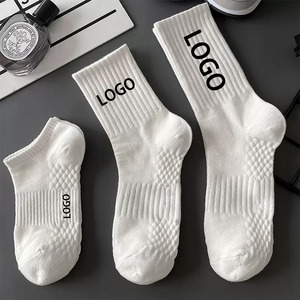
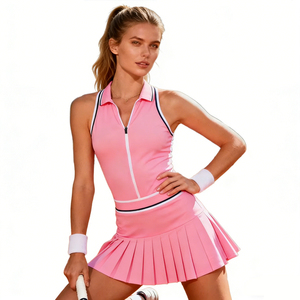
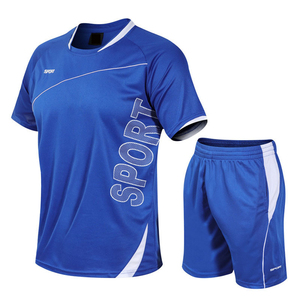
In modern performance sportswear sourcing, thermal base layers represent the most technologically demanding apparel tier. Acting as a critical microclimatic interface between human skin and ambient winter conditions, an OEM base layer must simultaneously manage two antagonistic physics phenomena: conductive heat conservation and evaporative moisture dispersion. When an athlete engages in intense physical exertion in sub-zero environments, the human body produces liquid sweat and moisture vapor. If the garment's fiber matrix traps this dampness against the skin, the thermal conductivity of moisture (which transfers heat away from the body 25 times faster than air) induces rapid hypothermic shivering during static rest cycles.
As an authoritative custom OEM thermal base layer factory rooted in the historic sports manufacturing cluster of Sialkot, Pakistan, our manufacturing architecture relies on advanced fiber hybridization. We combine hydrophobic synthetic cores (such as hollow-filament polyester and polypropylene microfibers) with hydrophilic outer surfaces or natural thermoregulating fibers like 18.5-micron superfine Merino wool. This differential capillary tension pulls sweat away from the dermis via an engineered push-pull moisture flux gradient, maintaining dry boundary-layer insulation while locking warm air inside micro-cellular voids.
By utilizing engineered hollow-core polyester yarns modeled after polar bear fur dynamics, our base layers trap dead air within the lumen of the fiber. This increases the overall Clo insulation rating by up to 32% without adding physical gram-per-square-meter (GSM) bulk.
Utilizing high-gauge Santoni circular knitting machinery, we program differentiated zones within a single uninterrupted panel: higher GSM waffle-knits over thoracic zones for thermal retention, and micro-perforated open mesh across the spine and underarms for kinetic venting.
Every seam on an OEM contact compression layer is stitched with 4-needle 6-thread ISO 607 flatlock configurations. This guarantees a friction-free surface that eliminates chafing during repetitive muscular flexion, sustaining 180N seam burst elasticity.
For corporate apparel procurement officers, tech-pack engineers, and athletic apparel product managers, selecting the exact textile blend requires balancing insulation metrics with moisture vapor transmission rates (MVTR). Below is our standardized OEM manufacturing guide:
| Thermal Grade | Composition & Yarn Count | Fabric Weight | Clo Rating | MVTR (g/m²/24h) | Target Athletic Application |
|---|---|---|---|---|---|
| Lightweight Active | 88% Micro-Polyester, 12% Spandex (75D/72F) | 160 - 190 GSM | 0.35 - 0.45 | > 9,500 | Marathon running, cycling base layer, soccer training kits |
| Midweight Dynamic | 85% Polyamide 6.6 (Nylon), 15% Elastane (Brushed) | 220 - 250 GSM | 0.60 - 0.72 | > 8,200 | Alpine skiing, winter mountaineering, cross-training |
| Heavyweight Extreme | 50% Merino Wool, 45% Hollow Poly, 5% Spandex | 280 - 320 GSM | 0.95 - 1.15 | > 6,800 | Sub-zero expedition, snowmobile patrol, arctic military ops |
| Seamless Kinetic | 65% Polyamide, 28% Polypropylene, 7% Elastane | 200 - 240 GSM | 0.55 - 0.68 | > 11,000 | Body-mapped professional compression, elite contact sports |
Global B2B procurement of functional base layers is undergoing an epochal shift driven by strict EU environmental regulations (such as the Corporate Sustainability Due Diligence Directive and Digital Product Passports), technological convergence in smart textiles, and raw material volatility. Forward-thinking athletic brands must adapt to four critical procurement trends:
Global brands are phasing out virgin petroleum-based synthetics. Sourcing specifications now mandate GRS-certified post-consumer recycled PET and chemically recycled ocean nylon chips, combined with bio-based elastane alternatives derived from industrial corn derivatives.
With environmental protection agencies outlawing per- and polyfluoroalkyl substances (PFAS), advanced factories are migrating toward plasma-induced nanocoatings and bio-wax emulsion finishes that achieve Class 4 water shedding without toxic environmental runoff.
The next frontier in active recovery involves spinning bioceramic or graphene nanoparticles directly into the masterbatch filament. These minerals absorb the human body's radiated body heat and re-emit it as far-infrared rays, stimulating cutaneous microcirculation and muscular recovery.
Combining generations of artisan tailoring expertise with multi-million dollar investments in modern computerized manufacturing technology.
Sialkot holds one of the world's most concentrated textile clusters. Fabric milling, laboratory dip testing, custom yarn dyeing, laser cutting, and sublimation happen within a 15km perimeter, reducing intermediate supply chain friction.
Whether you require strict build-to-print OEM production according to a complete tech pack or collaborative ODM engineering from physical garment benchmarks, our sample rooms provide verified 3D CAD patterns and physical fit approval samples.
From raw fabric roll 4-point visual inspection to inline tension audits and pre-shipment AQL 2.5/4.0 evaluations, every carton leaving our facility is certified for dimension tolerances, stitch density, and four-stage colorfastness to washing.
Direct answers for global apparel buyers, supply chain executives, and private label activewear brands.
Initiate direct communication with our technical apparel merchandising team. Receive competitive factory-gate pricing, sample evaluations, and material swatch cards within 24 hours.