Precision-knitted activewear engineered with multi-filament interlock elastane blends, anti-sheer opacity, and flatlock tension seams designed for private label collections.
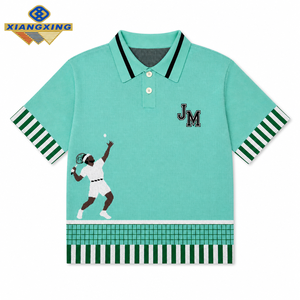
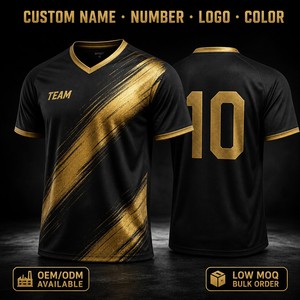
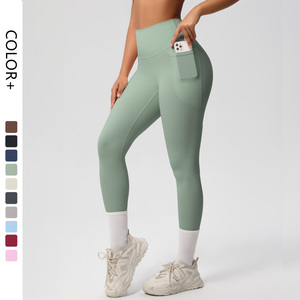
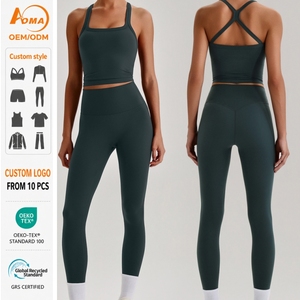
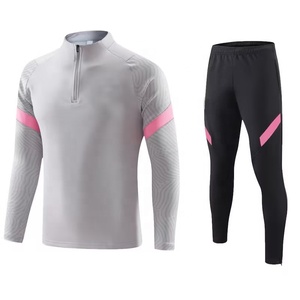
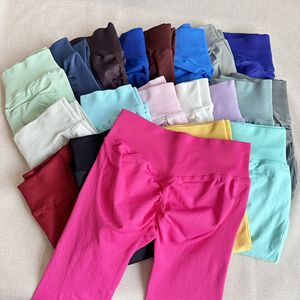
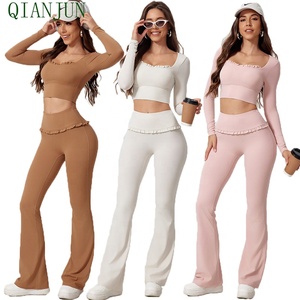
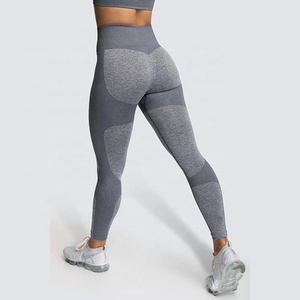
Why high-performance compression manufacturing differs entirely from standard fast-fashion activewear: understanding yarn hysteresis, hoop tension, and venous return.
True athletic compression requires air-covered, double-covered elastane (Lycra® or equivalent high-tenacity spandex) wrapped with micro-filament Polyamide 6.6 or cationic polyester. Standard bare elastane degrades rapidly under sweat and UV exposure, resulting in garment bagging after fewer than 15 laundering cycles.
Compression apparel exerts continuous tensile load against its seam construction. We utilize specialized 4-needle 6-thread (ISO 607) flatlock machinery using high-strength textured filament threads. This guarantees zero-chafing flat interior profiles and prevents thread shearing during maximal muscle expansion.
Graduated compression operates on Laplace's Law of tension and radius. Our factory verifies millimeter-of-mercury (mmHg) output using multi-sensor Salzmann MST MK IV testing rigs. Pressure is calibrated to decrease linearly from distal (ankle/wrist) to proximal zones (thigh/torso), optimizing lactic clearance.
Comparative analysis of performance substrates sourced and knitted in our Sialkot manufacturing ecosystem for international brand programs.
| Fabric Composition | Areal Density (GSM) | Compression Class | Moisture Vapor Rate (MVTR) | Primary Athletic Applications |
|---|---|---|---|---|
| 75% Polyamide 6.6 / 25% Spandex | 240 – 280 GSM | High (20–25 mmHg) | >8,500 g/m²/24h | Elite marathon tights, sprint skinsuits, triathlon base layers |
| 80% Micro-Polyester / 20% Elastane | 220 – 260 GSM | Medium (15–20 mmHg) | >9,200 g/m²/24h | Sublimated team uniforms, cold-weather rash guards, gym sets |
| Seamless Nylon 6 / Polypropylene Blend | 300 – 340 GSM | Zonal Targeted | >10,000 g/m²/24h | Seamless tummy-control leggings, posture-correcting sports bras |
| Recycled rPET (Ocean Bound) / Spandex | 230 – 270 GSM | Medium (15–20 mmHg) | >8,000 g/m²/24h | Eco-conscious commercial activewear, boutique yoga collections |
Harnessing Pakistan's world-renowned export manufacturing hub with modern Scandinavian management protocols, end-to-end vertical integration, and zero subcontracting risk.
All critical workflows—CAD computerized grading, laser pattern cutting, Japanese high-speed digital dye sublimation, flatlock stitching, heat transfer silicone branding, and final packaging—operate within our owned facility in Sialkot. No split contracts, no leaking of brand IP, and total traceability.
Every single batch is subjected to multi-checkpoint audits: 4-point fabric roll inspection, in-line tension stitching verifications, stretch recovery hysteresis tests, and 20-cycle commercial wash/delamination tests. Detailed third-party style QC reports are delivered prior to cargo vessel release.
We cater to both emerging boutique DTC labels requiring agile 100-piece runs and multinational apparel distributors demanding 50,000-unit monthly replenishments. Complete private labeling covers bespoke silicone grips, heat-applied tags, recycled zipper pulls, and barcoded Amazon FBA polybags.
Critical procurement variables reshaping how supply chain directors, brand founders, and apparel conglomerates specify and contract compression apparel over the next five years.
The global activewear market is rapidly transitioning beyond passive mechanical compression. Forward-thinking brands are specifying yarns embedded with microscopic bio-ceramic mineral particles that absorb body warmth and re-emit it as Far-Infrared Energy (FIR) back into deep muscle tissue. This stimulates microvascular circulation and accelerates cellular regeneration during sleep and post-game recovery. Furthermore, conductive elastomer yarn channels are being integrated to house micro-sensors tracking muscle tremor and heart-rate variability.
Traditional elastane represents one of the largest bottlenecks in textile circularity, as mixed nylon-spandex fabrics are notoriously difficult to chemically recycle. Future sourcing compliance mandates the adoption of bio-based elastane derived from industrial corn sugars and recyclable thermoplastic polyurethanes (TPU). At our factory, we are actively piloting monomaterial-compatible stretch textiles and closed-loop sublimation printing systems that eliminate hazardous dye effluents completely.
Physical sampling cycles historically wasted weeks of logistics time and yards of high-grade fabric. Leveraging parametric 3D simulation tools like CLO3D, our pattern engineering department develops millimeter-precise digital tension avatars. B2B buyers can inspect simulated fabric drape, tension heat-maps, and stretch limits before cutting a single yard of fabric, reducing product development cycles from 6 weeks down to 7 business days.
As global brands move away from excessive reliance on single-country supply lines, Pakistan's Sialkot cluster has emerged as the premier manufacturing alternative. Featuring favorable duty structures (GSP+ access to EU/UK markets), competitive energy-indexed labor rates, English-fluent engineering communication, and a localized vertically integrated ecosystem of knitting and sublimation, Sialkot offers optimal risk-hedging and margin stability.
Transparent, commercially grounded answers regarding order minimums, technical certifications, sampling timelines, and international logistical terms.
Request technical fabric lab dips, initiate custom pattern engineering, or obtain an itemized wholesale manufacturing quotation directly from our technical merchandisers in Sialkot.
