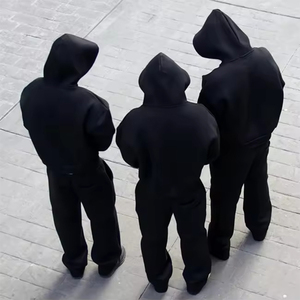
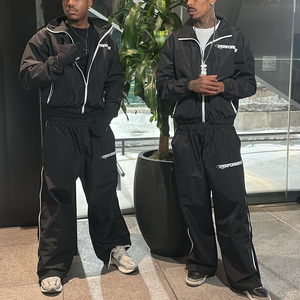
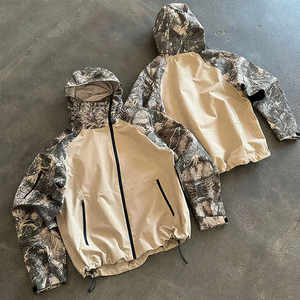
Custom fabricated with precision GSM specifications, tailored grade rules, and commercial retail-ready finishing.
A B2B procurement breakdown detailing textile substrate chemistry, stitch engineering, and fabrication thresholds for international retail.
High-end streetwear and sportswear buyers demand garments that resist bagging and distortion after repeated industrial washing cycles. Our vertical knit facilities calibrate yarn tension down to the micron:
For modern athleisure track jackets and windbreakers, conventional woven fabrics fail to meet water-resistant and breathable dual-standards. Our technical weaving lines engineer composite laminates:
Structural longevity separates disposable fashion from high-velocity performance uniforms. Every tracksuit undergoes specialized seam deployment tailored to movement stress points:
| Tracksuit Construction Type | Primary Fiber Composition | Fabric Weight Range | Ideal Decoration Process | Primary Market Segment |
|---|---|---|---|---|
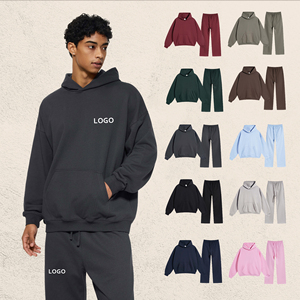
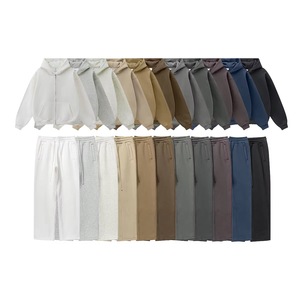
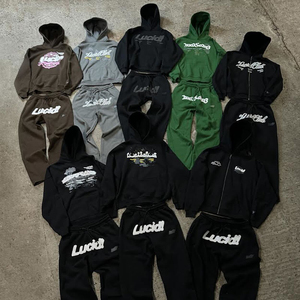
| Heavyweight Luxury Sweatsuit | 100% Combed Compact Ring-Spun Cotton | 420 - 480 GSM | High-Density Puff, Direct Embroidery, Chenille Patch | Premium Boutique, D2C Streetwear Brands |
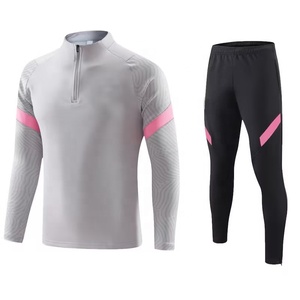
| Athletic Poly Tricot Warmup | 100% Dope-Dyed Filament Polyester | 220 - 260 GSM | Full Disperse Dye Sublimation, Heat-Transfer Vinyl | Pro Football Clubs, Academies, Institutional Teams |
| Tech Windbreaker Shell Suit | 100% Crinkle Polyamide (Taslan Nylon) | 110 - 140 GSM | Reflective 3M Print, Silicone Badges, Woven Applique | Urban Lifestyle, Outdoor Training, Athleisure |
| Compression Activewear 2-Piece | 75% Micro-Nylon / 25% Spandex Elastane | 240 - 280 GSM | Zero-Feel Laser Silicone, High-Tensile Screen Printing | Fitness Studios, Gym Chains, Yoga Brands |
Anticipate structural supply chain evolutions, legislative green compliance mandates, and advanced functional finishes.
Global regulations (such as EU Digital Product Passports) are making post-industrial and post-consumer recycled fabrics non-negotiable. Leading buyers are transitioning from standard virgin poly to GRS-certified rPET derived from ocean plastic and bottle flakes, demanding certified isotope origin traceability on yarn batches.
Supply chain volatility has ended the era of 6-month product lead times. Brand managers are using CAD-driven 3D prototyping (CLO3D / Browzwear) to slash physical sampling cycles from 25 days down to 72 hours, ordering smaller pilot runs (100–300 sets) with quick replenishment triggers based on real-time sell-through data.
Top-tier exporters are moving away from superficial chemical dips toward embedded yarn treatments. Future sportswear tracksuits feature permanent silver-ion antimicrobial treatments, bio-based phase change materials (PCMs) for thermoregulation, and non-fluorinated bio-DWR that retain water repellency through 50+ wash cycles.
Combining vertically integrated raw-material control with surgical QA systems to protect your brand equity.
By eliminating trading intermediaries, we provide full transparency into yarn sourcing, dyeing, fabric finishing, cutting, embroidery, and assembly. This direct line lowers landed unit costs by 18-25% while maintaining strict oversight of production schedules.
Our quality control protocol involves a multi-gate inspection framework: 4-Point System fabric arrival audits, inline seam and stitch tension verification, pre-packing measurement checks across all sizes, and final metal detection scans before master carton sealing.
We deliver retail-ready products directly to your distribution center. From OEKO-TEX certified woven neck tags, barcoded hangtags, custom branded frosted zip polybags to ocean and air DDP door-to-door freight forwarding, we handle everything for smooth customs clearance.
Direct technical answers addressing minimum orders, sample validation, pattern digitizing, and payment terms.