Explore our export-certified product lines optimized for micro-polyester sublimation saturation, anti-microbial wicking properties, and reinforced multi-needle stitch engineering.
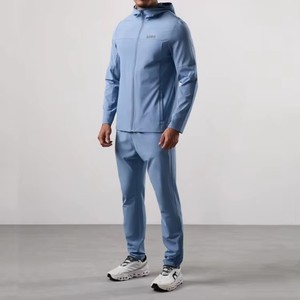
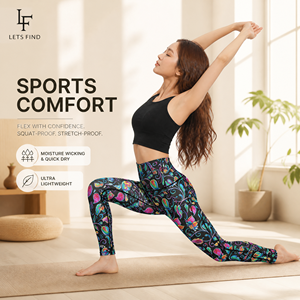
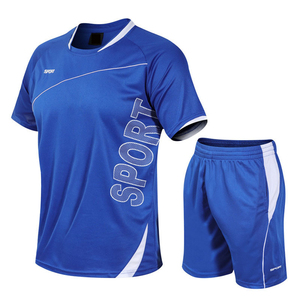
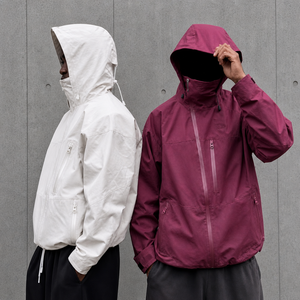
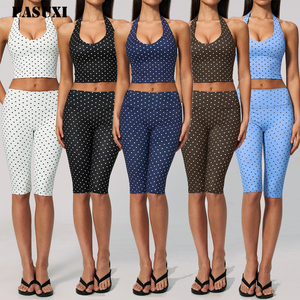
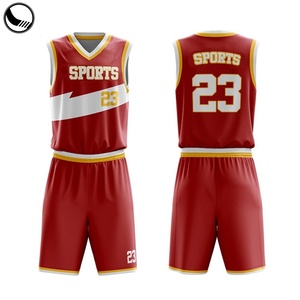
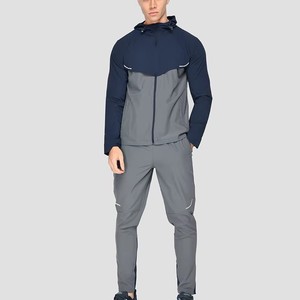
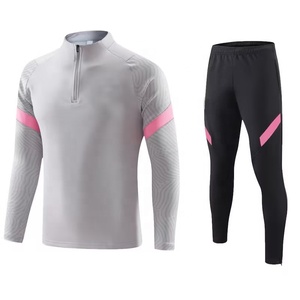
Why Tier-1 sportswear brands and institutional distributors transition from surface screen printing to gas-phase thermal molecular bonding.
Unlike pigment or plastisol prints that deposit a stiff polymer film onto the fabric surface, dye-sublimation operates via endothermic phase transition. High-purity disperse dyes convert directly from solid to gas at 200°C to 215°C under 4 to 5 bars of pneumatic pressure.
At this specific thermal threshold, the crystalline structure of synthetic polyester opens, allowing dye gas molecules to penetrate the amorphous polymer matrix. When cooled, the polymer closes, trapping the colorant permanently inside the fiber filaments.
Sublimation t-shirt production demands precise textile substrate curation. We engineer interlock, mini-waffle, birdseye mesh, and pique knits utilizing micro-denier polyester (75D/72F to 50D/48F filaments) blended with functional spandex cores.
Our engineered capillary knit structures pull liquid perspiration from the epidermal layer via cross-sectional hydrostatic differential, spreading moisture over a 300% wider surface area for ultra-rapid evaporative cooling during high-exertion athletic performance.
Factory-level consistency hinges on precision calibration. Our facility deploys industrial-grade Kyocera and Epson I3200 piezoelectric printheads capable of droplet sizes down to 3.5 picoliters, yielding true 2400 DPI photographic resolution.
Paired with Swiss and Italian disperse inks (including fluorescent neon yellow and pink spot channels), our digital profiling guarantees total fidelity to Pantone Matching System (PMS) color palettes across repeated manufacturing seasons without lot variation.
Data-driven benchmarking for apparel importers, merchandise procurement managers, and corporate brand buyers.
| Technical Parameter | Digital Dye Sublimation | Traditional Screen Print | Direct-to-Film (DTF) | Direct-to-Garment (DTG) |
|---|---|---|---|---|
| Fabric Hand & Breathability | Zero Hand Feel (100% Breathable) | Medium-to-Heavy Rubberized Feel | Solid Film Layer (Plastic Hand) | Soft to Medium (Fiber bound) |
| Color Gamut & Complexity | Unlimited Photographic / Fluorescent | Cost-per-screen limited (1-8 Colors) | Full CMYK (Limited Neons) | Full CMYK (Low brilliance on poly) |
| Fastness Rating (ISO 105-C06) | Grade 4-5 (Exceptional Wash Fastness) | Grade 3-4 (Prone to cracking) | Grade 3-4 (Adhesive peel risks) | Grade 3 (Fading after 25 cycles) |
| All-Over Print (AOP) Feasibility | Seamless Edge-to-Edge Panel Infusion | Cost-prohibitive for large panels | Unfeasible for full garment AOP | Limited to flat platen dimensions |
| Optimal Substrate Matrix | Polyester, Poly-Spandex, Microfiber | 100% Cotton, Poly-Blends | Universal (Cotton, Poly, Nylon) | High Cotton Content (>80%) |
| Setup Cost & Flexibility | Zero Cylinder/Screen Setup Fees | High Setup Fee per screen/film | Moderate Powder Curing Setup | Pretreatment chemical setup required |
How progressive supply chains are responding to regulatory shifts, decarbonization mandates, and speed-to-market consumer demands.
The global regulatory landscape—led by the European Union’s Corporate Sustainability Due Diligence Directive (CSDDD) and US state-level EPR laws—is making post-consumer recycled fiber mandatory. Procurement trends show a decisive migration from virgin polyester to Global Recycled Standard (GRS) certified rPET derived from ocean-bound and post-industrial beverage bottles.
Our production line integrates GRS-certified yarns that retain identical tensile integrity, elongation profiles, and disperse dye absorption rates as virgin polyester, empowering corporate buyers to satisfy rigorous ESG scope-3 targets without compromising fabric strength.
Traditional wet dyeing and finishing contribute roughly 20% of global industrial wastewater pollution. Digital dye-sublimation represents the vanguard of dry textile ornamentation. Because the color transfer process relies entirely on thermal vapor diffusion, zero process wastewater is generated during printing and fixation.
Forward-thinking exporters are pairing OEKO-TEX Eco-Passport certified water-based sublimation inks with recycled sublimation transfer paper. Furthermore, in-line electrostatic exhaust scrubbers recapture 98.5% of evaporated airborne plasticizers during the calendering cycle.
The traditional model of massive seasonal apparel commitments has evolved into responsive, data-calibrated inventory flow. With AI-assisted pattern layout and CAD marker nesting algorithms, our automated cutting tables cut textile fabric trim waste down from the industry average of 14% to under 4.2%.
This computational efficiency unlocks competitive economics for mid-sized production volumes, roster-specific team numbering, and ultra-fast private label brand replenishment, enabling buyers to reduce unsold warehouse stockpiles and prevent capital lockup.
Direct from the industrial manufacturing core—cutting, printing, precision stitching, rigorous QC, and international export logistics executed under a unified quality management system.
Engage directly with the engineering minds that build your garments. Our vertically integrated facility eliminates intermediary markups, uncoordinated subcontractors, and delayed communications. Direct factory floor engagement ensures transparent FOB/CIF pricing schedules, clear technical feasibility reviews, and real-time ERP production tracking from raw greige fabric inspection to container loading.
Defect prevention is embedded into every workstation. Incoming fabric bolts undergo 4-Point System inspections for yarn flaws, barré defects, and elastane unevenness. Inline auditors inspect tension-free stitching, flatlock seam elasticity, and collar symmetry. Every finished batch receives standardized rub-testing, pull-testing, and spectroscopic Delta E verification prior to final carton seal.
We deliver store-ready apparel directly to your international fulfillment center. Our finishing floor customizes silicone-injected heat transfer neck labels, recycled kraft hangtags, woven side seam damask labels, scannable EAN/UPC polybag barcoding, and heavy-duty double-wall export cartons. We support FOB, CIF, and full DDP door-to-door clearance handling all customs formalities smoothly.
Clear, direct, and contractually binding answers regarding minimum orders, technical capabilities, sampling timelines, and quality compliance.
Partner directly with China's leading sublimation apparel engineering team. Connect with our dedicated export merchandisers for bespoke fabric lab dips, accurate bulk quotations, and technical tech-pack evaluations within 12 business hours.
Get a Quote