
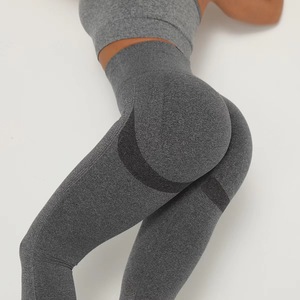
Seamless 3D Knit
Precision-milled athletic garments engineered for high elastic recovery, four-way ergonomic stretch, and high-tensile durability across professional training verticals.
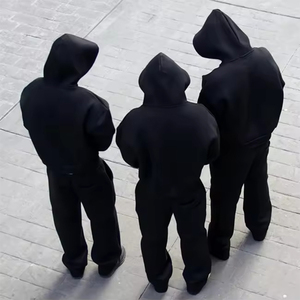
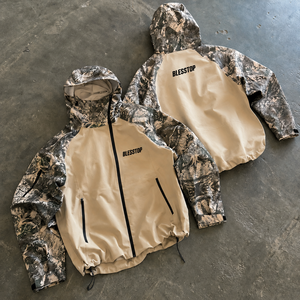
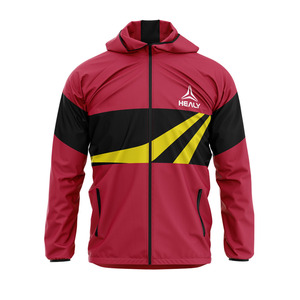
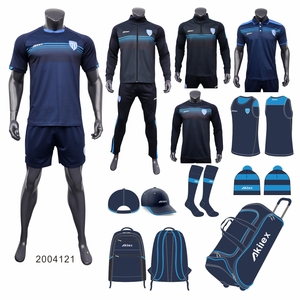
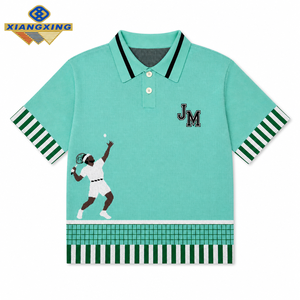
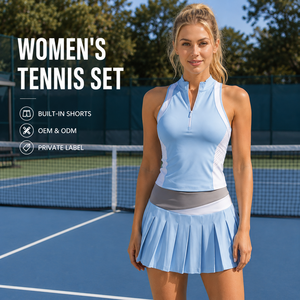
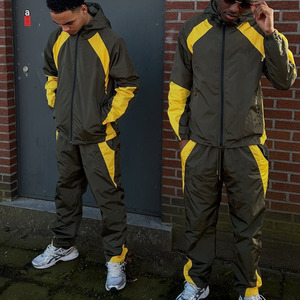
As modern fitness apparel transitions from basic leisurewear to high-performance activewear, supply chain resilience, advanced yarn spinning, and rapid-response manufacturing ecosystems have become paramount. For global brands, retail chains, and direct-to-consumer (DTC) activewear disruptors, partnering directly with tier-1 Chinese manufacturing facilities eliminates layered agent markups while securing vertical integration from raw polymer extrusions to final retail barcoding.
The contemporary performance gym apparel landscape divides fundamentally into specialized manufacturing methods. Seamless construction utilizes specialized circular knitting machines that run tubular body panels without lateral side seams. This allows targeted elasticity, compression gradient mapping, and integrated ventilation zones engineered directly into the fabric architecture without additional cut-and-sew operations. Conversely, precision cut-and-sew activewear—predominantly utilizing flatlock stitching machines (ISO 607 4-needle 6-thread stitches)—remains the industry benchmark for heavy-duty sports leggings, outdoor technical tracksuits, and structured outerwear.
| Performance Metric | Seamless Knitting (Tubular 3D) | Cut & Sew (Flatlock Assembly) | Bonded / Ultrasonic Lamination |
|---|---|---|---|
| Primary Composition | Polyamide 6.6 / Spandex Blends | Recycled Polyester / Interlock Elastane | Ultra-thin Polyurethane Membranous Matrix |
| Seam Strength Tensile | Inherent Tubular Integrity (High) | Exceeds 280N (High-stress zones) | Thermo-fused (Friction-free, Low-profile) |
| Tooling & Setup Lead | 12–18 Days (Machine Disk Coding) | 5–7 Days (Graded Gerber Nesting) | 10–14 Days (Laser Precision Dies) |
| Optimal Production Runs | 1,000+ Units / Colorway | 300–500 Units / Silhouette | 500+ Units / Technical Style |
To preserve margin thresholds and maintain retail relevance, activewear brand directors must align their bulk procurement strategies with three seismic shifts in apparel engineering.
Global regulatory bodies are shifting from voluntary eco-certifications to mandatory compliance (EU Textile Strategy). Procurement pipelines are actively replacing standard virgin polyester with GRS-certified post-consumer rPET yarns and recycled ocean-bound polyamides, retaining dimensional recovery while reducing lifecycle footprint.
Advanced gym apparel demands responsive thermoregulation. Next-generation bulk sportswear utilizes bio-mineral ceramic yarns and hydrophilic-hydrophobic dual-faced knitted substrates that channel perspiration away from the skin via natural moisture gradients rather than short-lived chemical surface coatings.
Supply chain fragility has made massive singular inventory commits obsolete. International activewear brands are shifting to hybrid contracts: committing bulk to raw greige textile lots while running agile cut-dye-print replenishment orders in 14-day manufacturing cadences based on real-time sales signals.
Leveraging specialized textile cluster dynamics across China's major performance manufacturing hubs, our factory delivers verified competitive advantages engineered to minimize inventory exposure and maximize bottom-line product margins.
Our pattern engineering department operates on fully digitized CAD systems (Lectra & Gerber). Submit your raw specification packs, mood boards, or competitor benchmarks, and our sample room outputs calibrated golden counter-samples within 7 to 10 working days, complete with graded fit runs from XS to 5XL.
Full vertical integration extends into finishing: automated dye-sublimation with Japanese archival-grade water-based inks, high-density 3D silicone printing resistant to cracking after 50 industrial wash cycles, sonic weld transfer, and multi-head embroidery stations under strict tension calibration.
Every bulk production lot passes 4 physical control points: 100% incoming textile inspection via 4-Point Roll Scanners, in-line process monitoring at critical joining points, 100% metal-needle detection screening, and formal pre-shipment random audits matching international AQL standards.
Clarity on supply agreements, minimum commitments, testing parameters, and international trade compliance.