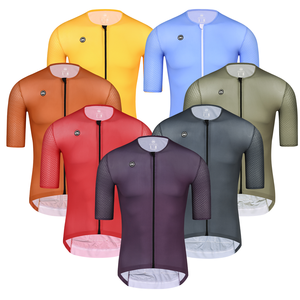
Direct-from-factory technical collections designed for global private labels, fitness chains, e-commerce conglomerates, and sports distributors. Custom GSM, colorway, grading, and labeling applied to all reference lines.
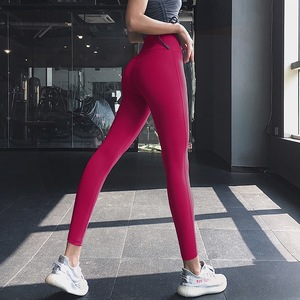
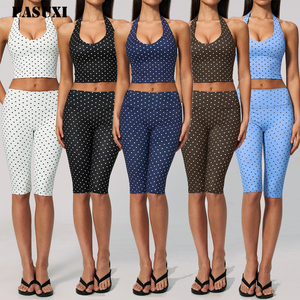
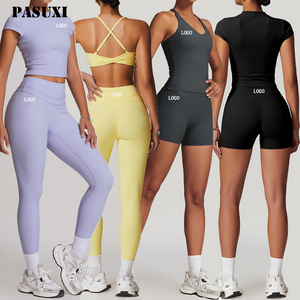
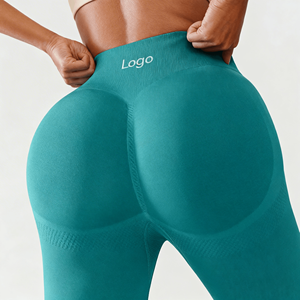
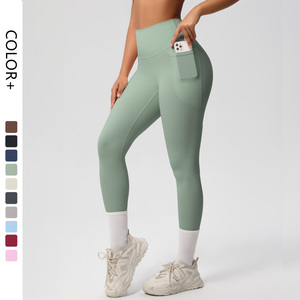
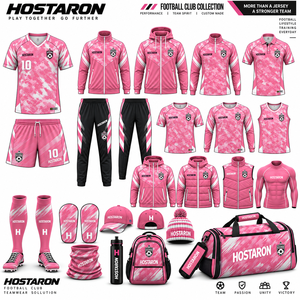
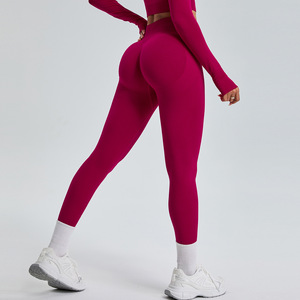
The global sports apparel and activewear market is projected to surpass USD 450 Billion by 2028, sustained by a compounded annual growth rate (CAGR) of over 6.8%. However, beneath this explosive retail expansion lies an increasingly complex operational battlefield for procurement directors, product developers, and private label merchandisers. Sourcing high-performance activewear is no longer merely a transaction of fabric weight and stitch counts; it has evolved into a multidisciplinary science integrating material chemistry, mechanical knitting engineering, hyper-compressed supply chain cycles, and strict environmental accountability.
While low-complexity cut-and-sew cotton basics have diversified into peripheral South and Southeast Asian markets, China remains the undisputed epicenter for high-performance, seamless, and technical activewear. The nation's sustained dominance is underpinned by deep vertical integration. China controls over 70% of the world's functional yarn extrusion (Polyamide 6.6, recycled micro-polyester, specialized elastanes), houses the highest concentration of advanced Italian Santoni circular knitting machinery, and maintains industrial-scale continuous dyeing and printing complexes compliant with rigorous international chemical standards such as OEKO-TEX Standard 100, bluesign®, and ZDHC (Zero Discharge of Hazardous Chemicals).
Over 84% of specialized seamless circular knitting machines (Santoni EVO4/SM8 series) operating globally reside in specialized Chinese apparel production clusters.
Proprietary CAD marker calibration and digital pattern grading ensure zero deviation between signed pre-production approval units and full container loads.
Stringent pre-shipment four-point textile audits and inline stitching verification deliver factory defect thresholds consistently lower than the standard AQL 2.5 benchmark.
B2B apparel buyers operating in North America, the European Union, the United Kingdom, and Australasia navigate a recurring triad of procurement risks when qualifying manufacturing partners:
1. The "Naked-Feel" Elasticity & Squat-Proof Paradox: Activewear wearers demand buttery-soft, ultra-lightweight fabrications (180–220 GSM) that offer compressive sculpting without opacity failure (sheerness) during dynamic flexion. Achieving this balance requires precise interlock weaving, mechanical micro-brushing, and elevated elastane concentrations (typically 20% to 25% Lycra® or Creora®) that standard cut-and-sew factories simply cannot process without seam curling or puckering.
2. Color Consistency Across Multi-Fiber Blends: Technical yoga sets, sports bras, and layered tracksuits frequently combine nylon outer shells, recycled polyester interlinings, and elastomeric bands. Without laboratory-grade computerized spectrophotometers (Datacolor) and automated dyestuff dosing systems, cross-garment shade variance between batches creates catastrophic inventory write-downs.
3. Delamination in Bonded Seams and Active Heat Transfers: High-impact functional wear relies heavily on heat-welded tape seams, silicone grip applications, and reflective polyfilm logos. Inadequate vulcanization heat calibration or inconsistent dwell-time pressures lead to premature adhesive failure after multiple commercial wash cycles.
As a leading Chinese activewear developer and wholesale manufacturer, we eliminate the operational barriers between digital CAD concept creation and multi-thousand unit container shipments. We operate as an authentic, direct-to-factory manufacturer, giving our global clients full visibility over every mechanical process.
Equipped with 12-inch to 20-inch Santoni single-jersey and double-jersey electronic circular machines. We engineer targeted body-mapping, anatomical compression zones, and micro-mesh ventilation directly into the tubular knit.
Our sewing floor incorporates Yamato and Pegasus flat-seam machines. Flatlock stitching yields flat, ultra-durable seams that glide frictionlessly against the skin, delivering maximum chafing resistance under hyper-dynamic athletic motion.
Automated computerized laser cutting systems prevent edge-fraying on four-way stretch synthetic fabrics. Thermoplastic adhesive bonding technology enables clean, stitchless hem terminations on premium sports bras and base layers.
Industrial EPSON and Mimaki digital roll-to-roll printers paired with Monti Antonio heat presses. We utilize imported Italian sublimation inks for soccer kits and cycling jerseys, achieving Level 4.5 wash and light colorfastness.
Selecting the optimal fiber composition forms the foundational baseline of your brand's return rate, consumer comfort rating, and price point realization. Below is our internal engineering performance benchmark across leading activewear material formulations:
| Fabric Composition | Ideal Athletic Application | Tensile Recovery (%) | Moisture Vapor Rate | Sourcing Lead Time |
|---|---|---|---|---|
| 75% Nylon 6.6 / 25% Spandex (Double-sided Peach / 220 GSM) | Ultra-premium Yoga Leggings, "Naked-Feel" Sports Bras | 98.4% Elastic Recovery | > 6,500 g/m²/24hr | 10–15 Days (Greige stock available) |
| 80% Recycled PET / 20% Elastane (Interlock / 260 GSM) | High-Impact Training, Squat-Proof Gymwear, Eco Lines | 95.2% Elastic Recovery | > 5,800 g/m²/24hr | 15–20 Days (GRS Certified) |
| 100% Moisture-Wicking Polyester (Birds-eye Mesh / 140 GSM) | Soccer Kits, Marathon Tops, Team Sublimated Jerseys | Mechanical Stretch | > 8,200 g/m²/24hr | 7–12 Days (Rapid Turnaround) |
| 88% Polyamide / 12% Spandex (Brushed Compression / 280 GSM) | Cold-weather Base Layers, Cycling Bibs, Muscular Recovery | 99.1% High Compressive | > 5,200 g/m²/24hr | 18–25 Days (Custom Pantone Dyeing) |
Procurement teams preparing for the 2026–2030 retail seasons must anticipate structural disruptions across consumer preferences, regulatory frameworks, and global logistics. Our R&D advisory board highlights three primary trends that forward-thinking brands are actively integrating into their sourcing playbooks:
EU and US consumer protection standards now demand granular, digitally verifiable proof of recycled claims. In response, our facility incorporates fiber-level tracer technology and Global Recycled Standard (GRS 4.0) chain-of-custody transaction documentation for all recycled post-consumer PET and regenerated ocean nylon yarn batches.
With stringent legislative bans on fluorinated substances (PFAS/PFOS) advancing globally, the future of durable water repellency (DWR), moisture management, and anti-odor finishes lies in plant-derived chemistries and micro-encapsulated peppermint/chitosan treatments that withstand 50+ domestic wash cycles without degrading.
Enterprise buyers are moving away from monolithic seasonal orders. The standard strategy now pairs high-volume, cost-optimized baseline stock with agile, short-run capsule drops (100–300 units per colorway) to capitalize on dynamic micro-trends across digital social platforms.
We eliminate friction and communication delays via structured milestone gates. Every project passes through systematic engineering checkpoints to guarantee zero margin of error during bulk runs.
CAD pattern translation, size grading review (US/EU/Asian size scales), fabric yield optimization, and quotation breakdown.
Physical proto sample execution within 7 business days, including lab-dip approval (under D65 lighting) and custom branding trims.
Golden sample sign-off establishing the baseline tolerance metrics (+/- 1cm tolerance matrix) for cut, sew, and elasticity tension.
Automated fabric relaxing (24 hours prior to cutting), computerized spreading, precision stitching, and inline QC roving audits.
Final inspection under ISO 2859-1 standards, anti-mold drying, individual barcode polybag packaging, and international freight dispatch.
Quality control in functional sportswear manufacturing is fundamentally distinct from standard fashion apparel. Activewear is exposed to intense tensile pull, friction wear, repeated laundering, and acidic perspiration. Our factory implements an uncompromising 4-tiered verification firewall:
1. Raw Material Inbound Verification: All synthetic greige fabric rolls undergo computerized 4-point inspection machine checks before cutting. We verify fabric weight consistency (GSM), width variance, bow/skew percentage, and tensile stretch-recovery curves. Any roll exceeding 20 penalty points per 100 square meters is rejected immediately.
2. Colorfastness & Chemical Robustness Testing: In-house testing laboratory protocols subject fabric swatches to standard Martindale abrasion tests (up to 30,000 cycles without pilling), wash-fastness at 60°C (ISO 105-C06), and perspiration resistance (ISO 105-E04) to eliminate color migration between dark panels and light contrasting piping.
3. Inline Construction Interception: During the active assembly phase, roaming quality auditors inspect stitch density (12–14 stitches per inch for active flatlock seams), seam extension ratio (minimum 120% elongation without thread rupture), and bar-tack reinforcement at primary stress points (strap apexes, gusset corners, pocket mouths).
4. Needle Detection and Export Certification: Every finished garment passes through a 9-zone high-sensitivity conveyor metal detector to guarantee complete absence of broken needle fragments. All packing is conducted with desiccant silicon packages in humidity-controlled finishing chambers.
Transparent solutions to the commercial, logistical, and technical questions most commonly raised by brand founders, procurement managers, and supply chain analysts.
Partner directly with an enterprise-grade Chinese activewear manufacturer. From custom technical fabric development to agile bulk delivery, our dedicated merchandisers and textile engineers are standing by to review your tech packs, provide transparent costing, and accelerate your time-to-market.