Manufactured under rigorous factory-direct quality management protocols for international private labels, athletic federations, and high-volume commercial distributors.
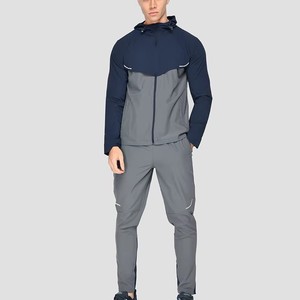
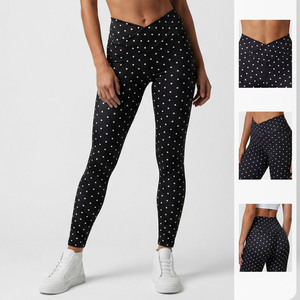
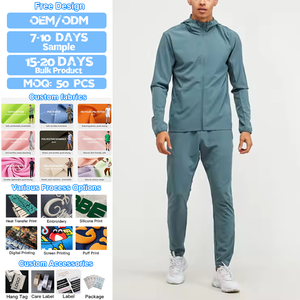
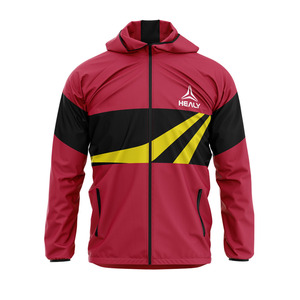
In an era defined by intensified trade compliances, technical innovation, and shifting consumer expectations, the global procurement of performance sportswear has transitioned from transactional buying into a deeply integrated technical partnership. Sourcing executives managing enterprise athletic collections must reconcile aerodynamic fit, moisture management thermodynamics, and strict chemical safety standards with rigorous European regulatory frameworks. As a premier CE-aligned athletic wear manufacturer operating out of Sialkot, Pakistan—a global epicenter for sporting goods engineering—Bralen Industries provides end-to-end original equipment manufacturing (OEM) and original design manufacturing (ODM) infrastructure that safeguards B2B importers against operational vulnerabilities, material degradation, and compliance bottlenecks.
The designation of CE certification and European compliance mandates across sports apparel—specifically within high-performance base layers, compression garments, high-visibility team kits, and personal protective athletic shells (PPE Category I and II under Regulation EU 2016/425)—requires total traceability of synthetic yarn extrusions, dyestuffs, and chemical finishing agents. Compliance is not merely an administrative checkbox; it demands certified validation against EN ISO 13688 general apparel performance criteria, REACH (EC 1907/2006) toxicological restrictions (eliminating Azo dyes, polyfluoroalkyl substances/PFAS, and phthalates), and strict OEKO-TEX Standard 100 Class I/II thresholds. Our fully integrated facility manages every stage under strict standard operating procedures, ensuring our global clientele receives consistent, lab-audited, export-ready garments built for long-term commercial longevity.
Strict toxicological control under EU REACH regulations, AZO-free dispersion inks, and OEKO-TEX Standard 100 yarn certification across all woven and circular knits.
Yarn lot identification, GRS-certified recycled fiber documentation, and digital dye-lot archiving to eliminate cross-batch color variances and mechanical defects.
Four-way mechanical elastic mapping, four-needle six-thread (ISO 607) flatlock construction, and targeted variable compression profiles for zero-chafe performance.
Strategic procurement directors face a structural shift away from reactive seasonal sourcing toward demand-synchronized, data-backed supply cycles. Understanding these macro shifts is critical for private labels and athletic uniform distributors seeking sustainable margin retention:
1. Near-Zero Defect Tolerance and Standardized AQL Sampling: Modern omnichannel sports brands cannot absorb high customer return rates stemming from seam breakage, torque twisting, or size discrepancy. Sourcing protocols now center around rigid AQL (Acceptable Quality Limit) 1.5/2.5 pre-shipment inspections. Technical parameters—such as burst strength (ASTM D3786 for knit fabrics), stitch elasticity under tension, and seam slippage resistance—are tested directly at the factory lab level before goods are packed into export cartons.
2. The Decoupling of Fast Fashion from Performance Durability: B2B buyers are pivoting sharply toward durable athletic kits designed for multi-season lifecycles. High-tenacity micro-filament polyesters, double-faced interlock constructions, and abrasion-resistant nylon-spandex hybrid knits are replacing low-cost poly-blends. This transition is heavily driven by institutional teamwear buyers, university athletic programs, and premium fitness brands whose reputations depend on wash durability exceeding 50+ domestic laundering cycles without pilling or color loss.
3. Agile Lead Times and On-Demand Replenishment: Long supply chain cycles spanning six to nine months are giving way to agile sprint manufacturing models. By keeping core griege fabrics in bonded storage and deploying industrial digital sublimation and laser-cutting cells, Bralen Industries enables brand partners to execute rapid prototyping within 7–14 days and roll out seasonal re-orders in 3–4 weeks, effectively mitigating the cash-flow risks of over-inventory.
The activewear sector is navigating an unprecedented material science revolution. Brands that fail to integrate sustainable feedstock and technical finishing capabilities risk irrelevance in the European Union, the United Kingdom, and the North American marketplace. Technical trends reshaping production lines include:
| Performance Material Technology | Technical Characteristics | Recommended Sporting Discipline | Compliance & Ecological Metric |
|---|---|---|---|
| Post-Consumer Recycled Polyester (rPET) | 100% recycled bottle-grade yarn, micro-mesh & interlock weaves, high tensile strength. | Sublimated soccer, basketball uniforms, active run shirts. | GRS (Global Recycled Standard) verified, −45% CO2 footprint vs virgin poly. |
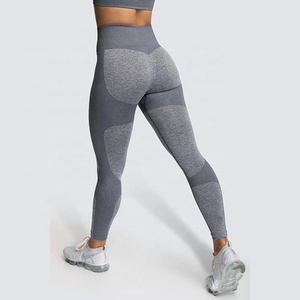
| High-Gauge Polyamide-Elastane Blends | Interlocking circular knit, 220–320 GSM, zero-sheer opacity squat-proof rating, bare-feel touch. | Yoga leggings, performance sports bras, base-layer compression. | OEKO-TEX Class II, fluorocarbon-free hydrophobic finish. |
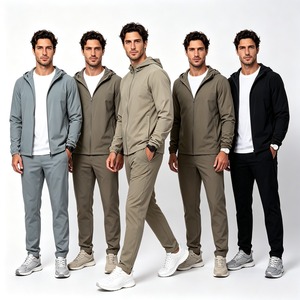
| Four-Way Stretch Micro-Woven Shells | 88/12 Poly-Spandex Dobby weave with DWR coating, breathable water resistance. | Athletic track jackets, windbreakers, sideline coaching outerwear. | PFC-free bio-based C0 water repellent, EN 343 rainwear criteria. |
| Organic Combed Cotton / Poly Technical Fleece | 300–420 GSM brush-back or French terry, low-shrinkage anti-pilling compact spun yarn. | Lifestyle athletic hoodies, warm-up track pants, casual team travelwear. | GOTS certified organic cotton inputs, azo-free low-impact dyeing. |
Headquartered in the historic manufacturing hub of Sialkot, Pakistan, Bralen Industries leverages a vertically structured operating paradigm designed specifically to meet Western B2B procurement benchmarks. Our comprehensive manufacturing footprint eliminates tier-two contractor handoffs, bringing design development, automated fabric spreading, precision laser cutting, industrial sublimation printing, specialized technical stitching, and rigorous dual-phase quality assurance directly under one roof.
Our comprehensive factory-direct advantages include:
In-House Digital Sublimation Printing: Utilizing Japanese multi-head high-speed printers and specialized heat transfer calenders, we achieve microscopic ink penetration into polymer fibers. This produces fade-proof, razor-sharp graphics resistant to sweat acidity, UV degradation, and thermal washing. Because we manage sublimation entirely on-site, client artwork is color-matched precisely to Pantone Solid Coated standards without color drift between sizing batches.
Advanced Stitching and Structural Construction: Our sewing floors are equipped with modern industrial sewing stations including flatlock machines (four-needle six-thread), heavy-duty overlock systems, computer-programmable bartacking, and automated zipper-welding technology. Every stress point—including crotch gussets on running leggings, underarm panels on soccer kits, and pocket anchors on technical windbreakers—is structurally reinforced to endure intensive athletic strain.
Complete Private Label and FBA Retail Preparation: We recognize that premium apparel requires end-to-end retail readiness. Our private label division manages woven main labels, heat-seal tagless neck prints, branded satin care tags with multilingual wash instructions, high-density silicone logos, custom RFID swing tags, branded polybags, and barcode stickering ready for automated direct-to-warehouse or Amazon FBA cross-docking.
Bespoke Prototyping and Technical Pattern Architecture: Supported by dedicated CAD pattern engineers, we assist growing brands that do not possess internal technical design departments. By analyzing standard measurement specs, reference garments, or conceptual sketch files, our pattern lab develops complete digital tech packs, grade specifications across sizing curves (ranging from youth 4XS up to adult 5XL), and pre-production golden samples within 7–14 business days.
We supply accredited laboratory test reports covering dimensional stability to washing (ISO 5077), colorfastness to perspiration and rubbing (ISO 105-E04/X12), burst strength (ASTM D3786), and chemical safety verification conforming to EU REACH Annex XVII (prohibiting carcinogenic aryl amines and heavy metals).
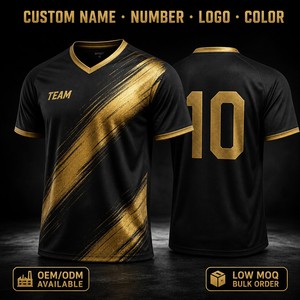
For custom sublimation teamwear (jerseys, tracksuits), our agile setup accommodates low minimum orders starting at 20–30 units per design because digital transfers require no physical screens. For custom-dyed specialty fabrics (such as high-compression nylon leggings), MOQs generally start around 200–300 pieces per colorway.
Following tech pack sign-off, we construct a fully branded pre-production sample. The sample undergoes strict internal measurement audits before being dispatched via DHL/FedEx for fit, seam elasticity, and finish approval. Once sealed, this golden sample serves as the binding quality standard for the entire production lot.
We routinely ship under FOB (Karachi/Lahore), CIF (destination port), and complete door-to-door DDP arrangements via established air and sea freight logistics partners. Full shipping dossiers include commercial invoices, packing lists with net/gross weights, certificates of origin, and custom export declaration documents.
Yes. Approximately 70% of our production volume operates on pure OEM client tech packs. Our technical merchandisers review your bill of materials (BOM), tolerance ranges, and design callouts to verify production feasibility before generating precise cost sheets and production schedules.
Bralen Industries operates under strict non-disclosure and intellectual property protection policies. Client artwork, pattern blueprints, custom trims, and brand concepts are segregated securely on restricted internal servers and are never shared, displayed publicly, or reused for third-party production runs.
