0%

Global demand for performance apparel is growing, but a large market does not guarantee a reliable supplier. Grand View Research valued the global sports apparel market at USD 214.08 billion in 2023 and projected 6.7% annual growth from 2024 to 2030. That number is useful, but it is not a factory scorecard. Buyers still need to verify sampling, production capacity, quality controls, and delivery timelines.

For brands comparing custom gym wear manufacturing partners, small production details matter. Ask how a supplier tests stretch recovery, checks seam strength, and keeps color consistent between samples and bulk orders. Request clear specifications for fabric weight, sizing, labels, and packaging. Fit matters. A sample that feels smooth under bright showroom lights may behave differently after repeated washing or a hard training session.

Material claims deserve the same scrutiny. Textile Exchange’s Materials Market Report 2024 estimated global fiber production at 124 million tonnes in 2023, with polyester representing about 57% of the total. Buyers should ask for documentation behind recycled-content claims and confirm whether the fabric suits the product’s intended use. Not just logos. A polished website cannot replace traceable records, transparent communication, and a sample that performs. The manufacturers featured in this guide are starting points for comparison, not automatic endorsements. Even careful checks have limits; production can vary. A thoughtful shortlist helps global buyers weigh product quality, minimum order quantities, lead times, and communication before committing.
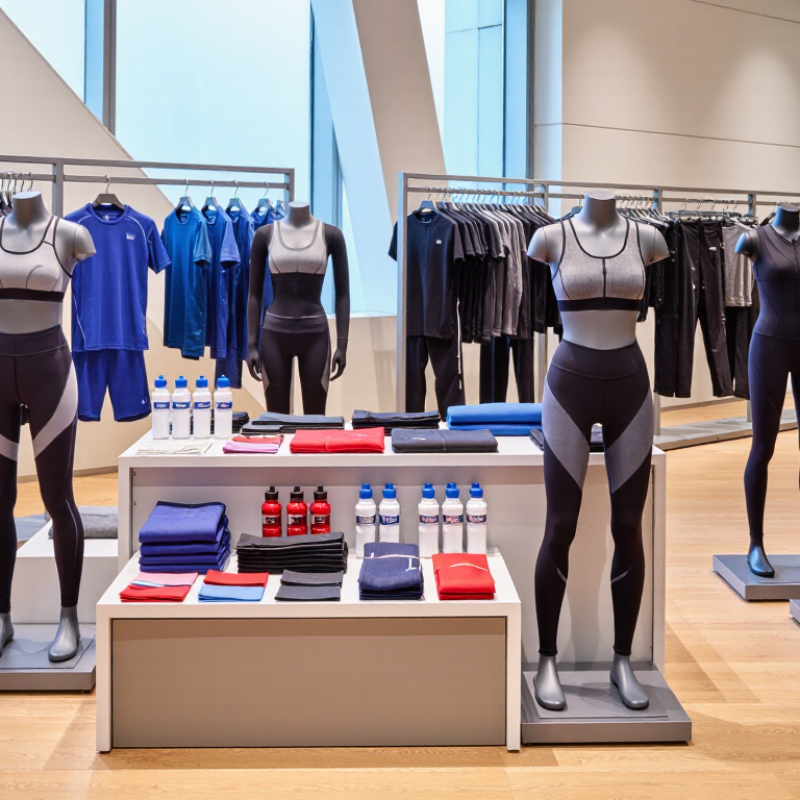
Top Custom Gym Wear Manufacturers for Global Buyers

Understanding the Custom Gym Wear Manufacturing Industry

Custom gym wear manufacturing connects product design with fabric sourcing, pattern development, sampling, and production planning. Each step affects how a garment performs during movement. A compression top, for example, needs enough stretch to support motion without losing shape after repeated washing. Fabric weight, recovery, opacity, and seam placement all matter. Details matter.

Manufacturers usually need clear specifications before quoting. A useful tech pack includes measurements, fabric composition, color references, labels, and construction notes. Early samples help buyers assess fit, stitching, and comfort on real bodies. Fit is personal. One sample rarely answers everything.

Production capacity, minimum order quantities, and lead times vary by facility and material availability. Buyers should ask how inspection is handled, what happens when measurements fall outside tolerance, and whether fabric test reports are available. Communication can be uneven, even with a detailed brief. That deserves attention. Small misunderstandings about grading or color can become expensive once bulk cutting begins. A practical partnership leaves room for revisions and records decisions in writing, while recognizing that perfect consistency is difficult across different fabric batches and production runs.

Key Services and Capabilities Offered by Leading Manufacturers

Leading custom gym wear manufacturers offer support from technical design to finished garments. They review fabric weight, stretch recovery, opacity, and color consistency before cutting. Buyers can request swatches and sample pieces to check hand feel, seam placement, and fit during movement. Reliable teams also explain order quantities, production timelines, labeling options, and packaging requirements clearly. Small details matter.

Services may include sublimation, screen printing, heat transfer, embroidery, and custom trims. Availability depends on fabric type and order size. Experienced production teams test artwork on stretch zones and reinforce seams around waistbands and underarms. Quality checks should cover measurements, stitching, color matching, and packing. Ask how defects are recorded and corrected, not just whether inspection happens. A sample may look excellent, yet bulk fabric can behave differently. That gap deserves attention, and no process is flawless.

Tips: Share a detailed size chart and artwork files early. Request a pre-production sample, then test it through squats and repeated washes. Keep written approval records. If timelines or test results seem vague, ask for specifics before placing a larger order.

Top Custom Gym Wear Manufacturers for Global Buyers

For global buyers, choosing a custom gym wear manufacturer means looking beyond a polished product photo. Ask how the factory handles fabric sourcing, pattern development, size grading, and repeat orders. A useful sample should show more than attractive colors. Check seam strength, waistband recovery, and whether pockets stay flat during movement. Small details matter.

Request fabric specifications, including fiber content, weight, and stretch recovery. A medium-weight fabric may suit leggings, but the right choice depends on coverage, climate, and intended use. Ask for wash-test results and clear size charts. Then compare the sample with the production specification, not just your memory of how it felt. Fit comes first. Even so, one sample cannot reveal every production variation; that limitation is easy to overlook.

Reliable manufacturers explain minimum order quantities, sampling fees, lead times, and quality checks in plain language. Ask who inspects garments and what happens when measurements fall outside agreed tolerances. Communication matters, especially across time zones. A low quote may exclude packaging or development work, so request a written cost breakdown. It is tempting to treat fast replies as proof of reliability, but that judgment is incomplete. Look for consistent answers, documented specifications, and realistic timelines before approving bulk production.

How to Evaluate Manufacturers for Quality, Cost, and Compliance

A gym wear manufacturer should be assessed against the garments you actually plan to sell. Request samples in several sizes, then check seam strength, waistband recovery, opacity, and fit during movement. Ask how fabric weight and stretch are measured, and whether production follows an approved sample. Fit can drift. Wash a sample repeatedly and record shrinkage, pilling, and color change; one quick try-on will not reveal much. Factory quality checks matter, but clear inspection records and agreed defect limits matter more.

Compare costs beyond the quoted unit price. Include sample fees, minimum order quantities, labels, packaging, shipping, and any inspection charges. Ask for a written quotation with assumptions stated, since a low price can hide costly exclusions. Compliance needs careful checking, too. Confirm that fiber-content labels and product documentation match your destination market, and request relevant test reports for fabric performance and restricted substances. Verify that reports cover the actual material and are recent. Requirements differ by market, so confirm details with a qualified compliance professional. Ask who performs inspections and how failed batches are handled. No document replaces verification. A factory visit or independent audit can reveal practical gaps, though it may not catch every problem.

The Global Sourcing and Production Process for Custom Gym Wear

Custom gym wear sourcing begins with a clear product brief. Specify fabric weight, stretch, color, size range, stitching, and intended activities. A training legging may need a different compression level from a loose fitness shirt. Share reference measurements, not just sample photos. Details matter.

Next, compare manufacturers by their experience with similar garments, sample process, production capacity, and communication. Ask where fabric is sourced and how color or material changes are approved. Request a sample made with the intended fabric and trims. Check waistband recovery, seam comfort, opacity during movement, and wash performance. A neat sample can still hide problems. Record revisions in a measurement sheet, and approve a final sample before bulk production.

During production, agree on order quantities, lead times, inspection points, and packaging details in writing. Ask for updates when fabric arrives and cutting begins, so delays surface early. Inspect finished pieces against the approved sample, including measurements and seam quality. Keep a few units from each color for review. Not every defect is obvious on a flat table; fit checks can reveal twisting or slipping. Allow time for corrections, because rushing a shipment often means accepting details nobody truly approved.

FAQS

What should buyers check in a gym wear sample?

Check seam strength, waistband recovery, pocket shape, and comfort during movement. Looks can deceive.

Which fabric details should buyers request?

Ask for fiber content, fabric weight, stretch recovery, and wash-test results. Match these details to the intended activity and climate.

How can buyers assess fit and coverage?

Review a clear size chart and test garments while moving. Check opacity during stretches, not only under bright showroom lights.

What information belongs in a product brief?

Include fabric weight, color, size range, stitching, measurements, and intended activities. Photos alone leave too much open to guesswork.

What should buyers ask about costs and timing?

Request written details for minimum quantities, sampling fees, lead times, packaging, and development work. A low quote may not cover everything.

How should sample revisions be documented?

Record changes on a measurement sheet, then approve a final sample before bulk production. Memory is a poor specification.

What quality checks matter during production?

Agree on inspection points and measurement tolerances. Check finished pieces against the approved sample, including seam quality and sizing.

Can one sample prove consistent production quality?

No. Production can vary, and a flat-table check may miss twisting or slipping. Keep a few pieces from each color for review.

Conclusion

Custom gym wear manufacturing serves buyers seeking performance apparel tailored to specific designs, fabrics, fit requirements, and order volumes. Leading manufacturers may provide product development, pattern making, fabric and trim selection, sampling, cutting, sewing, printing, embroidery, and packaging. Their capabilities can range from flexible small-batch production to larger-scale manufacturing, helping global buyers find partners suited to their product plans and timelines.

Choosing a manufacturer involves comparing sample quality, material performance, construction, pricing, minimum order quantities, communication, and production capacity. Buyers should also assess quality-control procedures and relevant compliance documentation before placing an order. A typical global sourcing process moves from briefing and design approval through sampling, costing, production planning, manufacturing, inspection, and shipment. Clear specifications, realistic schedules, and consistent communication can help reduce misunderstandings and support reliable delivery.


Elara

Elara

Elara is a highly experienced marketing professional dedicated to helping businesses understand products, identify meaningful opportunities, and build lasting relationships with their audiences. With a strong command of the company’s solutions, market trends, and customer needs, Elara transforms......